

You finally sold that barely-worn pair of sneakers online — congrats! But now comes the part that trips up a lot of people: figuring out how to ship shoes with box intact, so the buyer actually gets what they paid for.
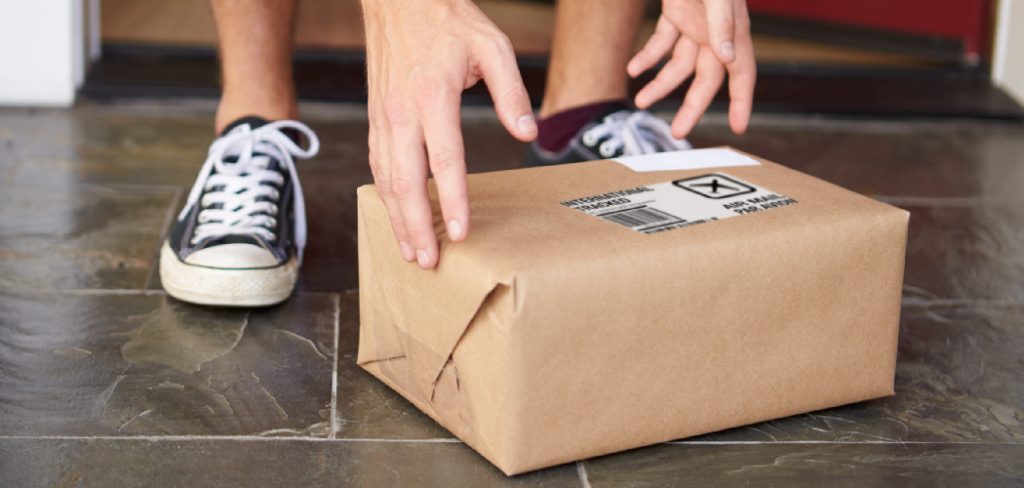
Whether you’re shipping vintage boots, designer heels, or limited-edition kicks, doing it right makes all the difference. A little prep goes a long way toward happy customers, good reviews, and zero headaches.
Why Proper Shoe Packaging Actually Matters
Shoes aren’t just soft goods you can toss in a mailer bag and call it a day. They have structure, shape, and sometimes serious resale value attached to their original packaging.
Crushed corners on a shoe box can tank a resale listing fast. Buyers on platforms like eBay, StockX, or Depop often expect the original box to arrive in near-perfect condition.
8 Step-by-Step Guide to Packing and Shipping Footwear the Right Way
Step 1: Gather Your Supplies Before You Start
You’ll need a few basic materials before anything else. Grab bubble wrap, packing paper or tissue paper, packing tape, and a sturdy outer shipping box that’s larger than the shoe box itself.
Don’t skip the outer box — using just the original shoe box as your shipping container is one of the most common mistakes people make. It leaves the shoe box vulnerable to crushing, scuffing, and moisture damage.
Step 2: Prep the Inside of the Shoe Box
Start by stuffing the shoes themselves with crumpled tissue paper or paper fill. This keeps the shoe’s shape intact during transit and prevents them from shifting around inside the box.
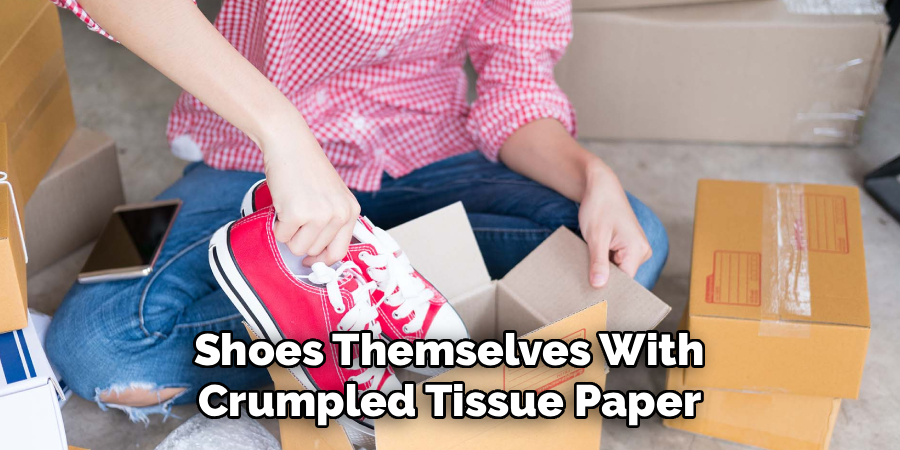
If you’re shipping delicate materials like suede, leather, or patent finishes, consider wrapping each shoe individually in soft tissue before placing them back in the original packaging.
Step 3: Secure the Original Shoe Box
Once the shoes are back in their box and the lid is on tight, how to ship shoes with box wrap the entire shoe box in a layer of bubble wrap. Two or three layers is even better for higher-value footwear.
Use a small strip of tape to hold the bubble wrap in place — but don’t tape directly onto the shoe box itself if you want to keep it pristine. Buyers notice everything.
Step 4: Choose the Right Outer Shipping Box
Pick an outer box that gives you at least one to two inches of space on all sides around the bubble-wrapped shoe box. That buffer space is what absorbs the bumps and drops during shipping.
You can find appropriately sized boxes at USPS, UPS, FedEx, or even at local grocery and liquor stores for free. Just make sure the box is sturdy and not previously waterlogged or weakened.
Step 5: Fill the Gap Between Boxes
Fill that buffer space with packing peanuts, crumpled kraft paper, or air pillows. The goal is zero movement — if the inner shoe box rattles around inside the outer box, add more fill.
Give the sealed box a gentle shake before taping it up. If you hear or feel movement, open it back up and add more cushioning material.
Step 6: Seal Everything Up Tight
Use strong packing tape — not Scotch tape, not masking tape — and run it across all seams of the outer box. Apply at least two strips across the top seam and one on each side seam.
Reinforce the bottom as well, especially for heavier boots or larger shoe sizes. A box that pops open during transit is a nightmare for everyone involved.
Step 7: Label Clearly and Accurately
Write or print the recipient’s full address, including ZIP code, clearly on the top of the outer box. Include your return address in the upper-left corner as a backup.
If you’re shipping something valuable, consider adding a “Fragile” label — though carriers don’t always honor it, it can’t hurt.
Step 8: Choose Your Carrier and Shipping Method
This is where you can save real money if you shop around. USPS Priority Mail is often the most affordable option for domestic shoe shipments, especially with flat rate boxes if the shoes fit.
UPS and FedEx are solid for heavier pairs like work boots or multiple pairs shipped together. Always compare rates online before heading to the counter.
How to Ship Shoes Cheaply Without Cutting Corners
Saving money on postage doesn’t mean skimping on protection. There are smart ways to reduce your shipping costs while still delivering a package that arrives in excellent condition.
Weigh your fully packed box before purchasing postage. Many people overestimate shoe weight and overpay, or underestimate and deal with surprise fees at the counter.
Consider using USPS Cubic Pricing if you ship frequently — it’s based on package dimensions rather than weight, which often works in your favor with compact shoe boxes.
Common Mistakes to Avoid When Mailing Footwear
Using the original shoe box as the only layer of protection is the single biggest error. It’s not built for the abuse of a shipping facility conveyor belt.
Skipping filler material is a close second. Even if the shoes fit snugly, vibration during transport can still scuff or damage them over long distances.
Tips for Shipping Designer or High-Value Sneakers
If you’re mailing a pair worth $200 or more, treat it like you’re shipping something fragile and irreplaceable — because you are. Always add shipping insurance when the declared value justifies it.
Most major carriers offer declared value coverage either built in or as an affordable add-on. It’s cheap peace of mind that can save you a major dispute down the line.
For truly high-end kicks, consider photographing the shoes and the packaged box before sealing it up. This documentation protects you if a damage claim ever gets disputed.
International Footwear Shipping: What You Should Know
Sending shoes overseas adds a layer of complexity. You’ll need to fill out a customs declaration form accurately — listing the item as “used footwear” or “new footwear” with an honest declared value.
Underdeclaring value to avoid customs fees is technically illegal and can result in the package being held or seized. Always declare honestly, even when it stings a little on duties.
Delivery timelines vary widely by destination country. Set clear expectations with your buyer upfront so you don’t end up fielding complaints about delays that are completely out of your hands.
Frequently Asked Question
How much does it typically cost to ship a pair of shoes?
Domestic shipping within the US usually runs between $8 and $20 depending on the carrier, weight, and distance. USPS Priority Mail flat rate boxes can be especially economical for lighter pairs.
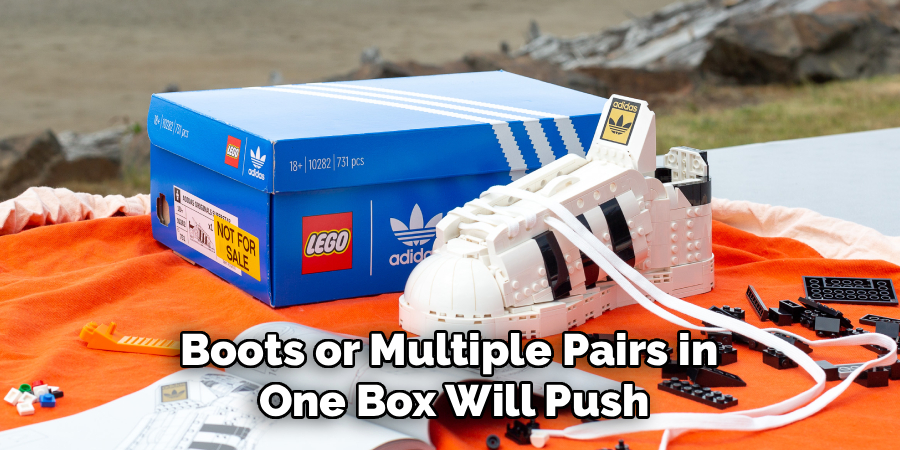
Heavier boots or multiple pairs in one box will push costs higher. Always weigh your packed box to get an accurate quote before purchasing postage.
Can I reuse an old shipping box for mailing footwear?
Yes, as long as the box is structurally sound and free from moisture damage. Cross out or cover any old barcodes and labels completely to avoid routing errors.
Avoid boxes that have soft or weakened corners — they won’t protect the shoe box inside effectively during transit.
Should I remove the shoes from the original box before shipping?
Only if the original shoe box is damaged or if you’re trying to reduce package size. In most cases, especially for resale, keeping shoes in their original box preserves value.
Buyers who specifically want the box with their purchase will be disappointed if it shows up crushed or absent. It’s worth the extra protection.
What’s the best carrier for shipping shoes in the US?
USPS Priority Mail is the go-to for most individual sellers because of its balance of cost, speed, and convenience. UPS and FedEx are better for bulk or heavier shipments.
If you ship shoes regularly through a resale platform, check whether the platform offers its own discounted postage — many do.
Do I need to use bubble wrap every time?
For cheap, casual shoes being mailed to a friend? You can probably get away with just packing paper. For anything with resale value or a pristine original box, bubble wrap is non-negotiable.
The cost of a roll of bubble wrap is nothing compared to a refund or a bad review. Just use it.
What size outer box do I need for a shoe box?
A box that’s roughly 4 to 6 inches larger on all sides than the shoe box is ideal. This gives you enough room to add a proper cushioning layer around the entire package.
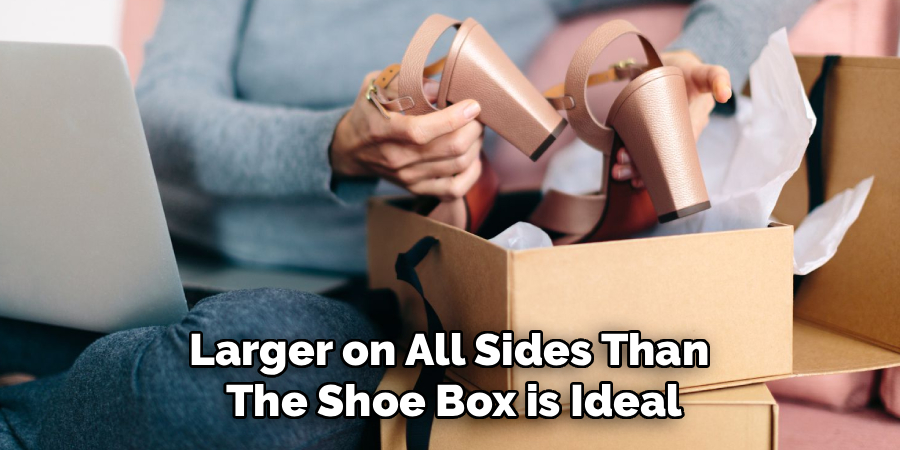
Standard men’s shoe boxes typically fit well in a 14x10x6 or 15x12x8 outer shipping box. Women’s styles vary, so measure your specific shoe box before ordering supplies.
Conclusion
Knowing how to ship shoes with box properly is one of those skills that pays off every single time you sell or send a pair. It protects your reputation, keeps buyers happy, and prevents the frustrating back-and-forth of damage claims.
Take the extra ten minutes to pack properly. Your future self — and your buyer — will thank you.