

If you’ve ever clocked a full shift in a pair of protective work boots, you already know the struggle. By lunch, your toes are screaming, your arches feel like they’ve been put through a vice, and you’re counting the minutes until you can finally pull those things off.
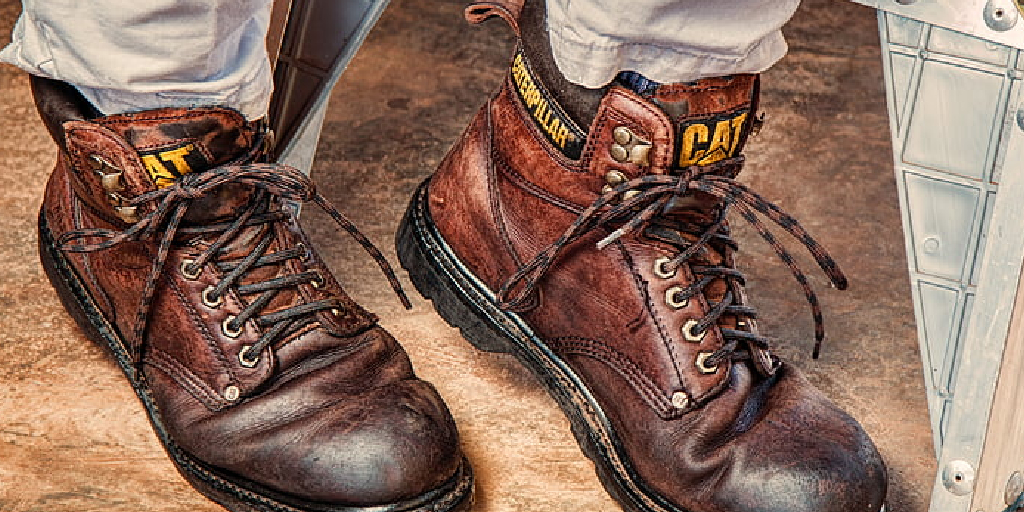
Learning how to make steel toe boots more comfortable doesn’t require a miracle — just the right adjustments and a little know-how. The good news? Most of the fixes are simple, affordable, and something you can start today.
Why Safety Boots Feel So Uncomfortable in the First Place
Most people assume the metal cap is the villain. And sure, that rigid toe box plays a role — but it’s rarely the whole story.
The real culprits are usually poor insole support, stiff leather that hasn’t broken in, wrong sizing, or socks that offer zero cushioning. Once you understand what’s causing the pain, the fix becomes a lot more obvious.
10 Step-by-Step Guide to Getting Comfortable in Your Work Boots
Step 1: Start With the Right Fit
This sounds obvious, but it’s where most people go wrong from day one. A work boot that’s even a half size off will cause blisters, pressure points, and long-term foot fatigue.
When trying on protective footwear, always do it at the end of the day when your feet are slightly swollen — that’s their natural working size. Make sure you have about a thumb’s width of space between your longest toe and the front of the boot.
Step 2: Break Them In Gradually
Don’t wear a brand-new pair for a 10-hour shift on day one. That’s asking for trouble.
Wear them for a couple of hours around the house or on shorter workdays first. Let the leather or synthetic upper slowly mold to the shape of your foot before you commit to a full day on a job site.
Step 3: Replace the Factory Insoles Immediately
The insoles that come stock in most work boots are basically foam cutouts. They’re there to fill space, not actually support your foot.
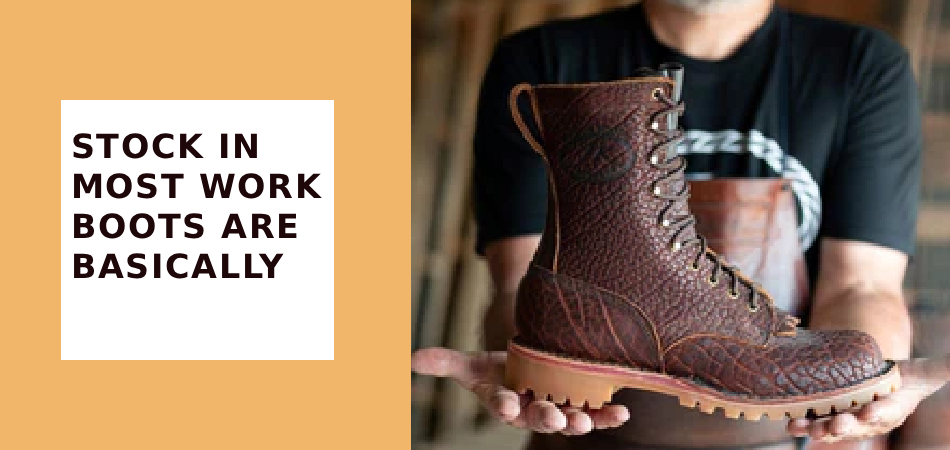
Swapping them out for a high-quality aftermarket insole — something with arch support, heel cushioning, and shock absorption — is hands-down the most impactful upgrade you can make. Look for orthotic-grade options if you’re dealing with plantar fasciitis, flat feet, or heel pain.
Step 4: Wear the Right Work Socks
Thin dress socks and cotton ankle socks are not your friends inside a steel-capped boot. They bunch up, slide around, and offer zero impact protection.
Invest in moisture-wicking, cushioned work socks made from merino wool or a technical blend. These keep your feet dry, reduce friction, and add an extra layer of padding exactly where you need it.
Step 5: Use a Boot Stretcher for a Custom Fit
If the toe box feels tight or you’re getting pressure on the sides of your foot, a boot stretcher can work wonders. You can pick one up at most shoe stores or online for under twenty bucks.
Insert it overnight for several days in a row. The gentle expansion loosens the material without damaging the boot’s structure.
Step 6: Apply Leather Conditioner or Boot Oil
Stiff leather is one of the biggest complaints people have with new work footwear. The material hasn’t been worked in yet, and every step feels like you’re fighting the boot.
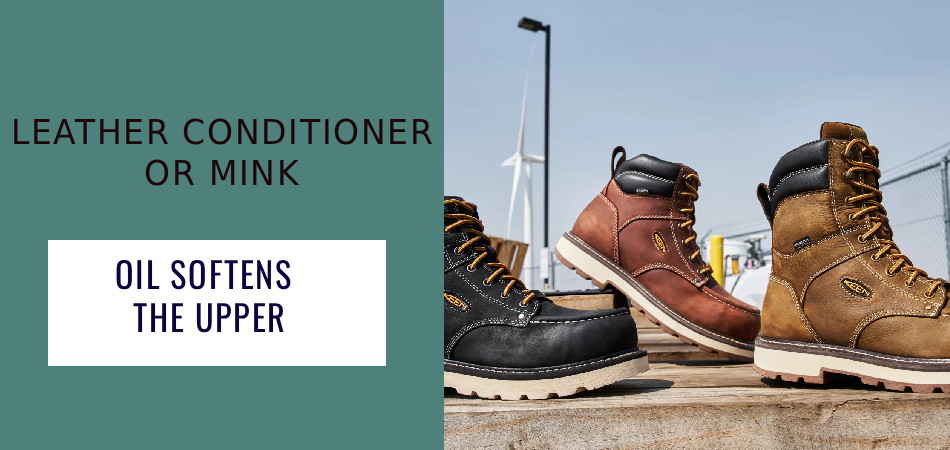
A good leather conditioner or mink oil softens the upper, speeds up the break-in process, and makes the entire boot more pliable. Apply it generously and let it absorb overnight before your next wear.
Step 7: Lace Them Correctly
This one gets overlooked constantly. The way you lace your boots affects how pressure is distributed across your foot.
If you’re getting pain across the top of your foot, try skipping a lace cross at that point — this technique is called “window lacing” and it relieves pressure instantly. If your heel keeps slipping, a heel-lock lacing technique can lock it in place and stop blisters before they start.
Step 8: Add Metatarsal Pads or Gel Inserts
For targeted relief in specific areas, gel pads are a game changer. Metatarsal pads sit just behind the ball of your foot and redistribute pressure away from that sensitive area.
You can also find gel heel cups, toe cushions, and blister-prevention pads at most pharmacies. Mix and match to address your specific pain points.
Step 9: Rotate Between Two Pairs
Wearing the same pair every single day doesn’t give the materials time to recover. The foam compresses, the insole flattens, and the cushioning just stops doing its job.
Alternating between two pairs — even if one is a cheaper backup — dramatically extends the comfort life of both and gives your feet a slightly different fit each day.
Step 10: Check Your Boot for Wear and Tear
An old, worn-out pair of safety boots can actually cause more discomfort than a brand-new one. Once the midsole breaks down, you lose shock absorption, and every step sends impact straight to your joints.
If your boots are over a year old and you’re working in them daily, it might simply be time for a replacement. No amount of insoles or conditioner can fix a dead midsole.
Main Guidance: The Comfort Upgrade That Changes Everything
When you want a genuine, lasting solution for how to make steel toe boots more comfortable, the combination of a premium insole and proper-fitting socks is your foundation. Everything else builds on top of that.
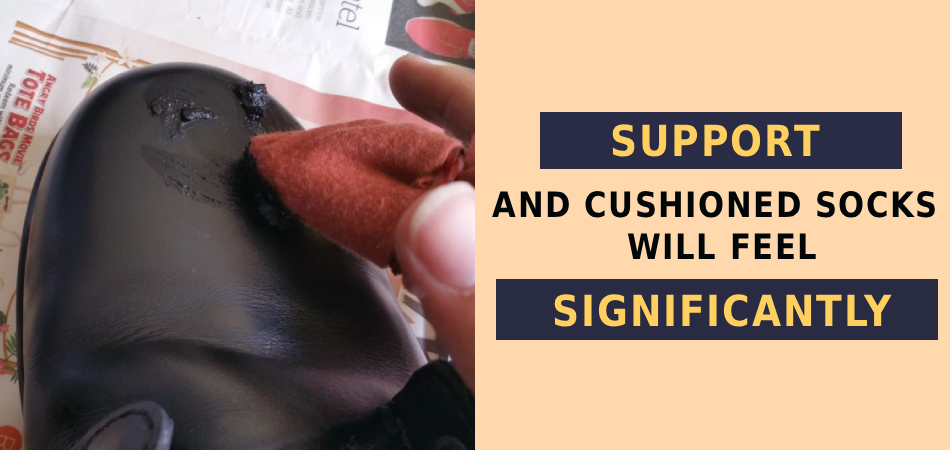
Think of it like this — even the most expensive pair of work boots will feel miserable with bad insoles and thin socks. But a mid-range pair with solid insole support and cushioned socks will feel significantly better from day one.
Extra Tips From the Job Site
Moleskin for hot spots — If you feel a blister forming, don’t wait. Apply moleskin directly to the area before it becomes a full-blown blister. It acts as a second skin and eliminates friction instantly.
Foot powder matters more than you think — Moisture inside a boot leads to friction, and friction leads to pain. A light dusting of foot powder or anti-friction balm keeps things dry and slippery in the best possible way.
Check your orthotics — If you already wear custom orthotics prescribed by a podiatrist, make sure they actually fit inside your work boot. Not all orthotics are designed for deep-heel-cup footwear, and using the wrong ones can make things worse.
Frequently Asked Question
Are composite toe boots more comfortable than steel toe?
In many cases, yes. Composite toe caps — made from materials like carbon fiber or Kevlar — are generally lighter than metal and don’t conduct heat or cold the way steel does.
That said, comfort comes down more to the boot’s overall construction, fit, and insole quality than the toe cap material alone.
How long does it take to break in safety boots?
Most work boots take anywhere from one to four weeks of regular use before they feel truly broken in. Leather boots typically take longer than synthetic ones.
Speeding up the process with leather conditioner, a boot stretcher, and gradual wear can cut that timeline in half.
Can I put custom orthotics in my work boots?
Absolutely. In fact, if you have any kind of foot condition — flat arches, high arches, plantar fasciitis — custom orthotics can be one of the best investments you make.
Just remove the factory insole first to make room. Layering on top of the stock insole usually creates too much volume and makes the fit even tighter.
Why do my toes hit the front of the boot when I walk?
This is usually a sizing issue or a lacing issue. When you walk downhill or go down stairs, your foot naturally slides forward, so you need that extra thumb’s-width of space at the toe.
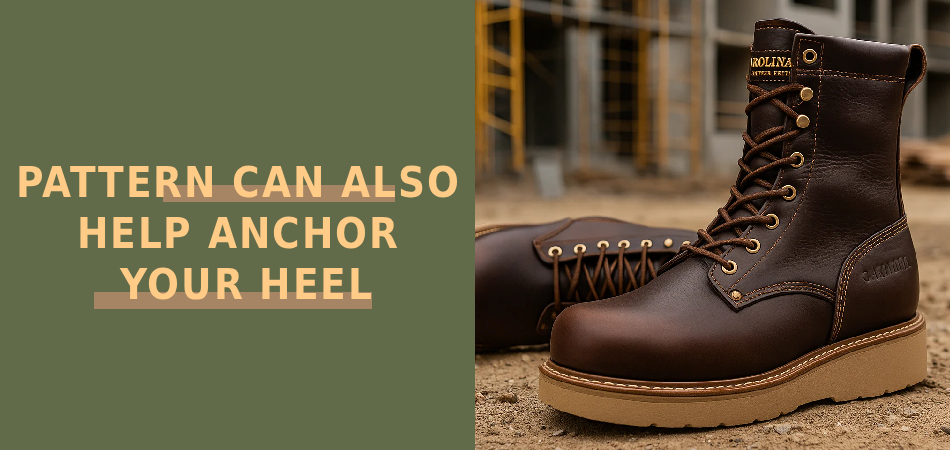
Re-lacing with a heel-lock pattern can also help anchor your heel and stop your foot from sliding forward in the first place.
What insoles are best for all-day standing in work boots?
Look for insoles with a firm or semi-rigid arch, a deep heel cup, and a polyurethane or EVA foam base. Brands like Superfeet, Sof Sole, and Powerstep are popular among tradespeople for good reason.
If you’re standing on concrete all day, prioritize shock absorption above everything else.
Do thick socks make boots tighter?
They can, yes — which is another reason fit matters so much. If your boots are already snug, thick socks will make them feel cramped and actually restrict blood flow.
The solution is to try on your boots while wearing the same type of socks you plan to work in. That way, you’re sizing the boot for its real working environment.
Conclusion
How to make steel toe boots more comfortable starts with understanding that small changes add up fast. The right insole, proper socks, a little break-in patience, and a few smart lacing adjustments can completely transform how your feet feel by the end of a long shift.
You don’t have to just tough it out. Your safety footwear is supposed to protect you — not punish you. Take these steps seriously, and your feet will thank you every single day you’re on the job.