

Discovering how to make leather shoes not squeak can feel like solving a frustrating puzzle, especially when you’re walking into important meetings or quiet spaces. That embarrassing squeaking sound can turn heads for all the wrong reasons! Whether you’ve invested in premium leather footwear or recently purchased a stunning new pair, squeaky shoes are an incredibly common problem that affects thousands of shoe lovers worldwide.
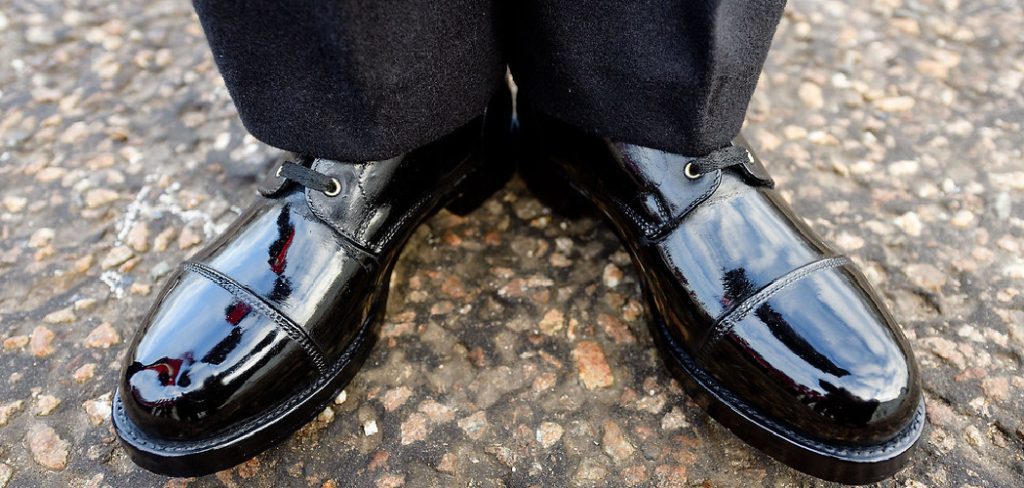
The good news? You can permanently silence those annoying squeaks using simple household items and proven techniques. In this comprehensive guide, we’ll reveal exactly how to make leather shoes not squeak using professional methods that actually work. From identifying the exact source of the noise to implementing lasting solutions, you’ll discover everything needed to enjoy peaceful, confident steps every single day!
Understanding Why Leather Shoes Squeak: The Root Causes Revealed
Before diving into solutions, understanding why your beautiful leather shoes are making noise is absolutely essential. The squeaking almost always stems from two primary culprits: friction or moisture. Identifying which factor is causing your specific problem becomes the crucial first step toward achieving lasting silence and comfort.
Friction-based squeaks require lubrication to eliminate the rubbing between shoe components. Conversely, moisture-related squeaks demand thorough drying and proper moisture control. Since these solutions are complete opposites, rushing into the wrong fix can actually worsen the problem! Taking time to properly diagnose the issue saves frustration and delivers effective results much faster.
Whether your shoes are brand new straight from the box or well-loved favorites from years of wear, pinpointing the root cause ensures you apply the most appropriate remedy. From rubber soles squeaking on polished floors to internal components rubbing together, each type of squeak has its own perfect solution waiting to be discovered.
The Complete Guide: How to Make Leather Shoes Not Squeak
1. Friction Between Shoe Components: Understanding Internal Rubbing
Friction represents one of the most common reasons leather shoes develop that annoying squeak. This occurs when different parts of your shoe rub against each other during normal walking. The tongue might rub against the upper leather, or your foot could slide repeatedly against the insole with each step you take.
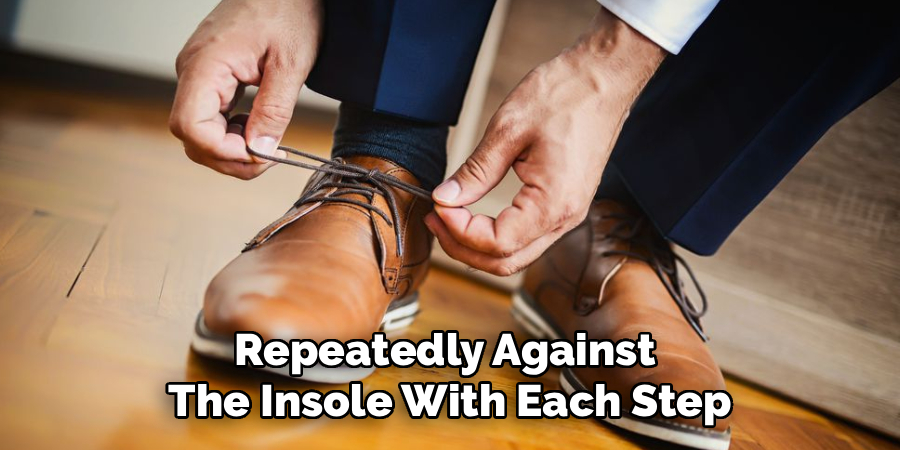
Poor fit frequently becomes the primary culprit, allowing excessive movement inside the shoe that creates friction points. Shoes that are slightly too large let your foot shift around, while shoes that are too tight force components to press together unnaturally. Both scenarios create the perfect conditions for squeaking to develop and persist.
Another significant source of friction-based squeaking comes directly from the outsole. If you own shoes with rubber soles, you’ve probably noticed them squeaking on smooth surfaces like gymnasium floors, polished tile, or freshly waxed hardwood. While this noise indicates excellent grip—which is actually beneficial—it can feel embarrassing in quiet environments. The friction between the sole and floor surface creates that distinctive sound everyone recognizes.
Fortunately, addressing internal friction is straightforward. Sometimes wearing slightly thicker socks reduces the movement causing squeaks. For other problematic areas, applying a small amount of lubrication or inserting buffer material works wonders. These simple adjustments can transform noisy shoes into whisper-quiet footwear almost immediately.
2. Trapped Moisture and Water Damage: The Hidden Squeak Generator
Have you noticed your shoes only squeak when they’re wet or after rainy days? Trapped moisture represents an extremely frequent cause of squeaking, originating from external sources like rain puddles or internal sources like natural foot perspiration. When water infiltrates between different layers of your shoe, those parts slide against each other and generate that unmistakable noise.
Implementing proper moisture control becomes absolutely key to resolving this frustrating issue. If dampness is your problem, the most important action is thoroughly drying your shoes completely. However, avoid using direct heat sources like hair dryers or radiators, as excessive heat can severely damage delicate leather and cause irreversible cracking or warping.
Instead, stuff your wet shoes with crumpled newspaper or insert quality shoe trees to absorb trapped moisture while simultaneously helping them maintain their proper shape. This gentle drying method protects your investment while effectively eliminating the water causing the squeak. Replace the newspaper every few hours until the shoes feel completely dry to the touch.
After cleaning your leather shoes with a slightly damp cloth, always ensure they’re fully dried using a separate dry cloth before storing or wearing them again. Taking these simple preventative steps stops moisture from accumulating and keeps your premium leather shoes from squeaking when you walk. Consistent moisture management delivers lasting results that preserve both comfort and silence.
3. Brand New or Untreated Shoes: Breaking In Stiff Leather Properly
Sometimes, a gorgeous brand-new pair of leather shoes will squeak persistently right out of the box, which can feel disappointing after making such an investment. This common occurrence typically happens because the fresh leather remains stiff and hasn’t been properly broken in yet. The pristine materials are smooth and easily rub against each other, creating friction and annoying noise as you walk.
The most effective approach involves preventative care from day one. Taking proper care of your new shoes before extensive wear can stop squeaks before they even begin developing. This includes breaking them in gradually over several days and ensuring the leather stays properly supple and well-conditioned throughout the process.
Don’t immediately assume the squeak indicates a manufacturing defect or poor quality. Most new leather shoes need an adjustment period where the materials soften and conform to your unique foot shape. Investing just a little time conditioning the leather and confirming they fit correctly allows all components to settle and move quietly together. This patience transforms potentially squeaky new shoes into perfectly silent footwear that brings joy rather than embarrassment.
Expert Techniques: Identifying the Exact Source of Squeaking
Before implementing any fixes, discovering precisely where that annoying squeaking noise originates becomes absolutely crucial. Your leather shoes contain numerous different components, and literally any part could be the troublesome source. The specific cause of your squeaking noise will directly determine the most effective solution, making this diagnostic step incredibly important.
To begin your investigation, put the shoes on your feet and walk around on various surfaces. Try noticing whether the squeak occurs when you step a certain way, apply pressure to specific areas, or move at particular speeds. Finding the exact location is essential to silencing the main component that’s causing all the trouble.
Systematic Testing of Different Shoe Areas
Locating the squeak requires careful, deliberate listening. Start by walking on a hard, quiet surface where sounds echo clearly. As you walk normally, rock your weight systematically from side to side and from your heel to your toe. These controlled movements often replicate the squeak reliably and help you zero in on the precise location.
Hearing accurately while wearing the shoes can prove challenging, so enlisting a friend to help makes this process significantly easier. Have them crouch down at floor level and listen carefully as you move through different motions. This alternative perspective makes identifying whether the noise comes from the sole, the upper, or somewhere deep inside much more straightforward.
Once you’ve developed a general idea, test specific parts individually using these proven methods:
Check the Insole: If your shoes feature removable insoles, carefully take them out and walk around without them. If the squeak disappears completely, you’ve successfully identified your culprit and can proceed with targeted solutions.
Isolate the Sole: Flex the shoe firmly with your hands while holding it near your ear. Does the distinctive sound emanate from the bottom portion of the sole? This indicates an outsole problem requiring different treatment.
Test the Tongue: Wiggle the tongue of the shoe back and forth deliberately. Sometimes, friction between the tongue and the laces or upper leather causes the persistent noise that drives you crazy.
Pinpointing Sole, Insole, and Upper Component Noises
After completing systematic testing, you can begin differentiating between various types of noises. A sound originating from the bottom of your shoe typically relates to the outsole making contact with floor surfaces. In sharp contrast, noise from inside the shoe usually points directly to the insole or your foot rubbing repeatedly against the interior lining.
The upper portion of the shoe, including the tongue, heel collar, and side panels, can also become significant sources of squeaking. This usually develops when the leather becomes excessively dry and stiff, causing friction as the material flexes naturally during walking. Accurately identifying which specific area produces the problem guides you toward the perfect solution every single time.
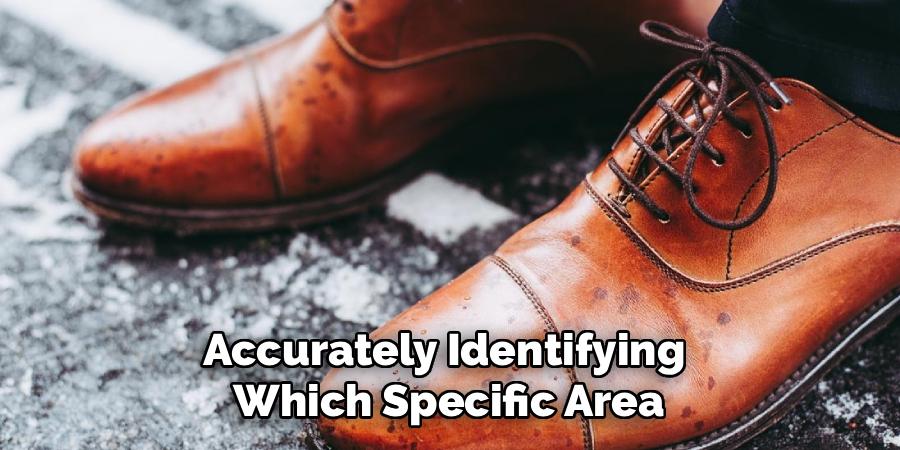
To help you narrow down possibilities efficiently, here’s a comprehensive guide to common squeak locations and their most likely causes:
Sole (Bottom): Friction against smooth floors indicating good grip, or potentially a loose heel that needs professional repair attention.
Insole (Interior): Moisture trapped underneath the removable insole, or persistent friction between the insole and the shoe bed creating annoying sounds.
Upper/Tongue (Exterior): Dry leather rubbing against itself, the laces, or adjacent leather panels during normal flexing motions.
Powerful At-Home Remedies: How to Make Leather Shoes Not Squeak
Fortunately, you don’t always need expensive specialty products to fix squeaky shoes effectively. Many remarkably effective solutions can be found right in your home using common household items. Simple products like baby powder or talcum powder work absolute wonders for moisture-related squeaks, while various oils can lubricate dry, noisy leather beautifully.
Whether it’s using a dryer sheet for problematic soles or applying a small dab of coconut oil or petroleum jelly for dry uppers, these quick fixes are incredibly easy to try. They offer an excellent starting point for tackling that persistent squeak without requiring a special trip to the store or spending additional money. The following detailed sections will explain exactly how to use each remedy for maximum effectiveness.
4. Applying Baby Powder or Talcum Powder: The Moisture Absorption Solution
If you’ve determined that internal moisture is causing your shoe problems, using absorbent powder represents a fantastic and remarkably simple fix. Both baby powder and talcum powder are exceptionally effective at absorbing excess moisture, which stops different parts of your shoe from sticking and slipping against each other. This proves especially incredibly effective for squeaks originating from the insole area.
To apply powder correctly, you first need accessing the problematic area. If your shoes feature removable insoles, carefully take them out completely. This allows you to apply the powder directly onto the shoe’s interior footbed, where moisture most commonly gets trapped. If the insoles aren’t removable, simply sprinkle the powder directly onto their visible surface.
Here’s the step-by-step process for achieving the best possible results:
Step 1: Sprinkle a generous amount of talcum powder or baby powder inside the shoe, covering all areas where moisture might accumulate.
Step 2: Make absolutely sure to cover the entire surface of the footbed or insole thoroughly, paying special attention to areas where your foot sweats most.
Step 3: Let the powder sit undisturbed for several minutes to absorb any existing moisture, then shake out the excess before wearing. You may need reapplying it periodically depending on your activity level and natural foot perspiration.
5. Using Oil or Quality Leather Conditioner: Lubricating Dry Components
When squeaking is caused by excessively dry leather, the perfect solution involves adding proper lubrication. Dry leather becomes increasingly stiff and noisy as it flexes during normal walking. A high-quality leather conditioner is absolutely the best option, as it’s specifically formulated to nourish the material deeply and restore its natural suppleness. However, common household items can work effectively in a pinch when specialty products aren’t available.
Products like coconut oil, olive oil, or petroleum jelly can provide the essential conditioning your shoes desperately need. They lubricate the leather effectively, dramatically reducing friction between different parts of the shoe such as the tongue and the upper panels. Be extremely aware that you should never use oily products on suede or nubuck leather, as these will permanently ruin the distinctive finish.
To apply conditioner or oil properly, follow these detailed steps:
Step 1: Clean the shoe’s surface thoroughly with a slightly damp cloth first, removing any dirt or debris that could interfere with absorption.
Step 2: Using a soft, dry cloth, rub a small amount of leather conditioner, coconut oil, or petroleum jelly directly into the squeaky area with gentle pressure.
Step 3: Work the product deep into the leather fibers using small, circular motions, ensuring you cover the entire area causing the problematic noise. Allow it to absorb completely before wearing.
6. Strategic Use of Dryer Sheets: Quick Floor Friction Solution
For squeaks caused by rubber soles gripping smooth floors too aggressively, dryer sheets offer a surprisingly effective quick fix. Simply rub a standard dryer sheet vigorously across the bottom of your shoe soles. This creates a thin, slightly slippery coating that reduces the friction between your sole and polished surfaces without completely eliminating the beneficial grip you need for safety.
This method works particularly well for dress shoes worn in office environments with tile or hardwood flooring. The effect is temporary and will wear off gradually with use, so you may need reapplying the dryer sheet periodically. However, for important meetings or quiet venues, this provides an instant solution that takes mere seconds to implement.
7. Applying Petroleum Jelly or Vaseline: Targeted Lubrication
Petroleum jelly serves as an excellent lubricant for squeaky shoe components, especially the tongue area where friction commonly develops. Apply a thin layer of petroleum jelly to areas where leather rubs against leather, focusing particularly on the tongue’s edges and the interior where it contacts the upper shoe.
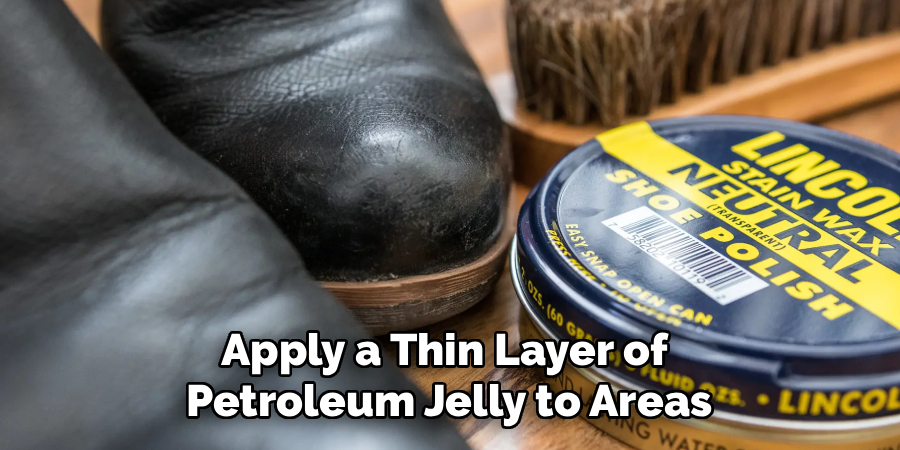
Use your finger or a soft cloth to spread the jelly evenly, ensuring you don’t apply too much that could transfer to your socks or leave residue. This creates a smooth buffer that allows components to glide quietly past each other without generating annoying sounds. The effects typically last several wears before requiring reapplication.
8. Utilizing Saddle Soap: Deep Leather Conditioning
For stubborn squeaks caused by severely dry leather, saddle soap represents a powerful and time-tested solution. Originally formulated for conditioning horse saddles, it’s exceptionally effective for lubricating and softening leather shoes. Remove your laces completely and apply the soap liberally to all parts of the upper, including the tongue, heel counter, and side panels to comprehensively reduce friction.
Work the saddle soap into the leather using circular motions, then allow it to penetrate for 10-15 minutes before buffing off any excess with a clean cloth. This treatment not only eliminates squeaks but also conditions and protects your leather, extending the overall lifespan of your investment footwear significantly.
Prevention Strategies: Stopping Squeaks Before They Start
One of the smartest decisions you can make is caring for new leather shoes proactively to prevent squeaking from ever developing. A little preventative effort at the beginning saves tremendous annoyance later. Proper initial care helps the leather mold perfectly to your unique foot shape for a customized fit, dramatically reducing friction points that commonly cause squeaking.
9. Proper Shoe Break-In Techniques: Gradual Leather Softening
When you acquire a quality pair of leather shoes, the break-in period becomes absolutely crucial for long-term comfort and silence. New leather shoes typically arrive quite stiff, and forcing them into heavy action too quickly creates stress points that inevitably lead to squeaking. The primary goal of the break-in process is allowing the leather to soften naturally and conform to your foot’s unique contours.
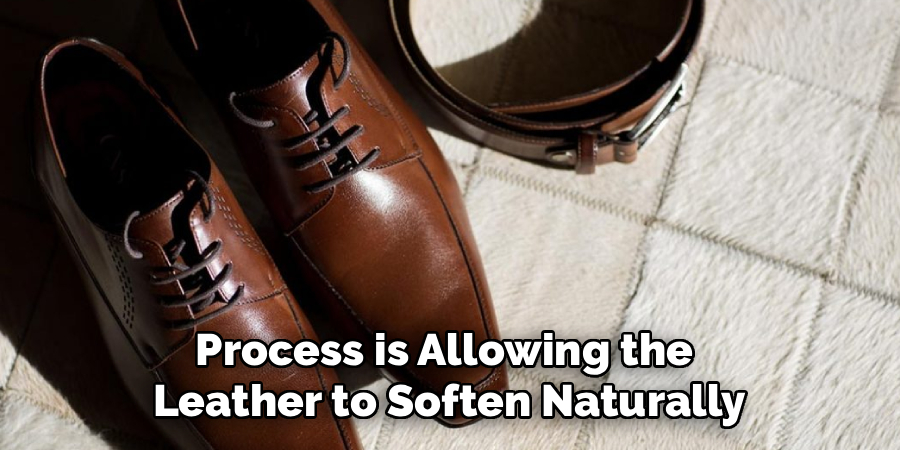
Instead of wearing your pristine new shoes for an entire day immediately, start with brief periods. Wear them around your house for just one or two hours at a time initially. This gentle approach lets the material stretch and flex naturally without being overworked or stressed beyond its current capacity.
Here are proven tips for achieving a successful, squeak-free break-in:
Wear Appropriate Socks: Use socks of the exact same thickness you plan wearing with the shoes regularly to ensure proper fit development.
Consider Shoe Stretchers: If the shoes feel uncomfortably tight in specific areas, consider using a quality shoe stretcher to give your feet more room without damaging the leather.
Gradually Increase Duration: Systematically increase the amount of time you wear them until they feel completely comfortable for full-day wear without any discomfort or squeaking.
10. Moisture Control Before First Use: Proactive Sweat Management
Managing moisture from the very first wear is an intelligent strategy for preventing squeaks before they begin. Even before wearing your new shoes outside, you can take strategic steps ensuring they stay dry internally. Foot perspiration represents a common source of problematic moisture, and addressing it proactively makes a tremendous difference.
Consider using a quality foot antiperspirant spray on your feet before putting your shoes on each time. This can significantly reduce the amount of sweat entering the shoe’s interior, keeping the insole and lining consistently dry. This simple daily habit is an excellent form of moisture control that prevents squeaks caused by internal dampness from ever developing.
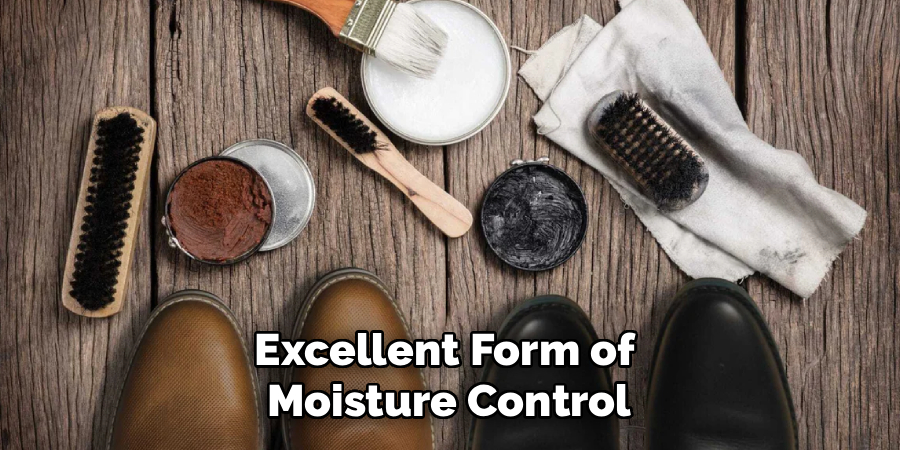
Additionally, always store your shoes properly after each wear. Place quality shoe trees inside immediately after removing them. They help absorb any lingering moisture while allowing air to circulate freely, ensuring the shoes dry completely overnight. If they ever get wet externally from rain, wipe them immediately with a dry cloth and let them air dry naturally with the shoe trees inserted.
11. Using Quality Shoe Trees: Shape and Moisture Maintenance
Investing in quality cedar shoe trees provides multiple benefits for preventing squeaks. Cedar naturally absorbs moisture from the interior while maintaining the shoe’s proper shape, preventing the warping and stress that can lead to squeaking. Insert shoe trees immediately after removing your shoes while the leather is still warm and slightly damp from wear for optimal results.
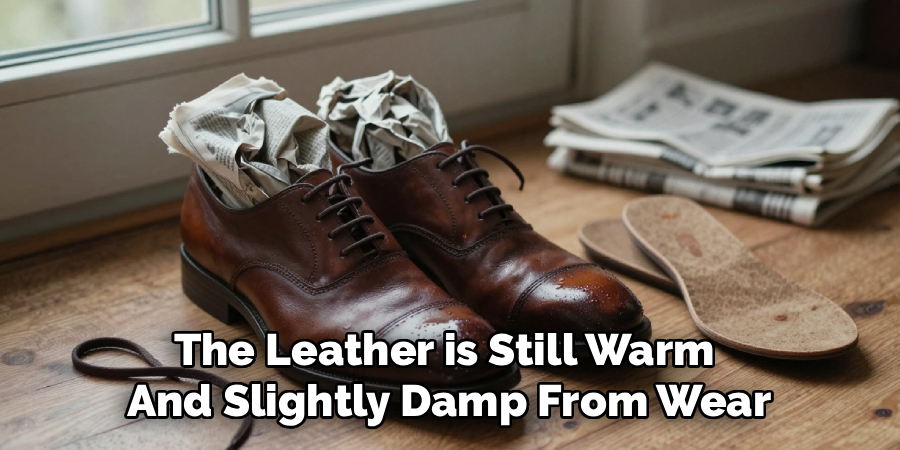
The gentle tension from properly fitted shoe trees also smooths out wrinkles in the leather that could create friction points. This dual-action approach—moisture control plus shape maintenance—creates the perfect environment for squeak-free footwear that lasts for years.
Advanced Professional Solutions for Stubborn Squeaking
If standard at-home fixes haven’t successfully silenced your shoes, it might be time implementing more advanced solutions. Several specialty products designed specifically for leather shoes can tackle friction and condition the material more deeply than common household items. Sometimes, the underlying issue is more complex and might require adding extra grip, inserting new layers, or seeking professional expertise.
12. Adding Moleskin Layers: Creating Friction-Free Surfaces
For persistent internal squeaking, adding strategic moleskin layers can create smooth surfaces that prevent friction between your foot and the insole. Cut small pieces of moleskin adhesive padding and attach them to areas inside the shoe where rubbing occurs. This soft, fuzzy material creates a gentle buffer that allows components to move quietly without generating annoying sounds.
Focus particularly on the heel area and along the sides where your foot makes the most contact. The moleskin compresses slightly under pressure, conforming to your foot while eliminating the stick-slip motion that causes squeaking. This solution works exceptionally well for shoes that are slightly too large.
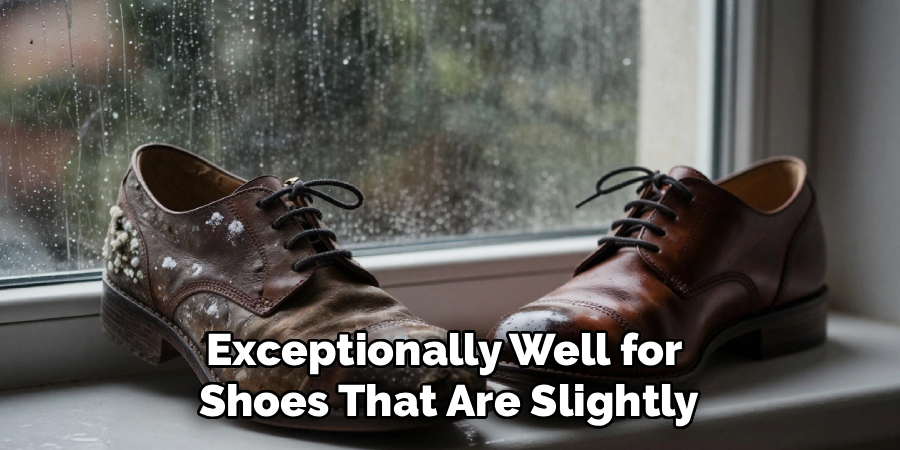
13. Cork Layer Insertion: Custom Molding Solution
Some high-quality welted shoes feature cork layers in their construction that naturally mold to your foot over time. If your shoes lack this feature but continue squeaking, consider having a cobbler add a thin cork layer between the insole and footbed. Cork compresses and conforms to your foot’s unique shape, creating a custom fit that eliminates movement and friction.
This solution is particularly effective for shoes that were initially too roomy. The cork fills excess space while providing cushioning, simultaneously solving both fit and noise issues. The investment in this modification typically pays off with years of comfortable, silent wear.
14. Resoling or Heel Replacement: Structural Solutions
Sometimes squeaking indicates serious structural issues like detached sole layers or loose heels. If you’ve tried multiple fixes without success, the problem might require resoling or heel replacement. A loose heel is particularly common in high-heeled shoes and creates distinctive squeaking with each step.
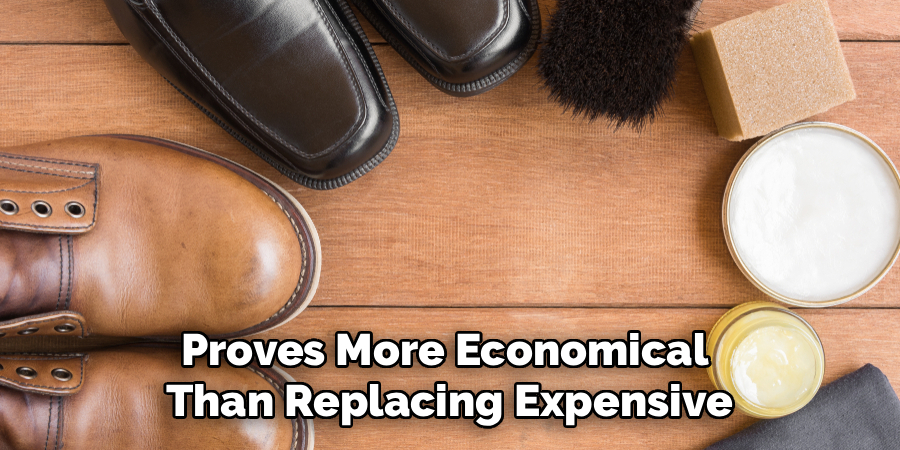
Professional resoling not only eliminates squeaks but also extends your shoe’s lifespan significantly. A quality cobbler can replace worn sole layers, reattach separated components, and ensure all elements are properly secured. This investment in professional repair often proves more economical than replacing expensive leather shoes.
15. When to Seek Professional Shoe Repair: Expert Intervention
If you’ve exhausted all home remedies and specialty products with no improvement, it’s definitely time considering professional shoe repair services. A persistent squeak might indicate serious structural issues such as a loose heel, detached shank, or problems with the sole’s construction. These aren’t issues you can typically fix yourself without proper tools and specialized knowledge.
Taking your beloved shoes to an experienced cobbler is your absolute best option in these situations. A professional possesses the specialized tools and extensive expertise to properly diagnose complex problems. They can determine if major components need re-gluing, re-stitching, or complete replacement. This is especially important for high-heeled shoes, where a loose heel can create both squeaking and safety hazards.
Don’t hesitate seeking professional help when you’ve exhausted personal options. A professional repair often represents a wise investment that can save your favorite pair of shoes and ensure they remain quiet and safe to wear for many years to come.
Maintenance Tips: Keeping Leather Shoes Silent Long-Term
Beyond fixing existing squeaks, implementing consistent maintenance practices keeps your leather shoes quiet indefinitely. Regular conditioning every 6-8 weeks maintains leather suppleness, preventing the dryness that causes friction-based squeaking. Clean your shoes promptly after each wear to remove dirt and moisture before they penetrate deeply and cause lasting damage.
Rotate between multiple pairs of shoes rather than wearing the same pair daily. This allows each pair adequate rest time to dry completely and recover their shape naturally. Shoes worn continuously don’t have time to air out, leading to moisture accumulation and eventual squeaking. Proper rotation extends lifespan while maintaining whisper-quiet performance.
Store shoes in a cool, dry place away from direct sunlight and heat sources. Excessive heat dries leather out, while dampness encourages moisture-related squeaks. Use breathable shoe bags or open shelving rather than sealed plastic containers that trap moisture. These simple storage practices protect your investment while preventing squeaks from developing.
Frequently Asked Questions
Can household products effectively stop leather shoe squeaks?
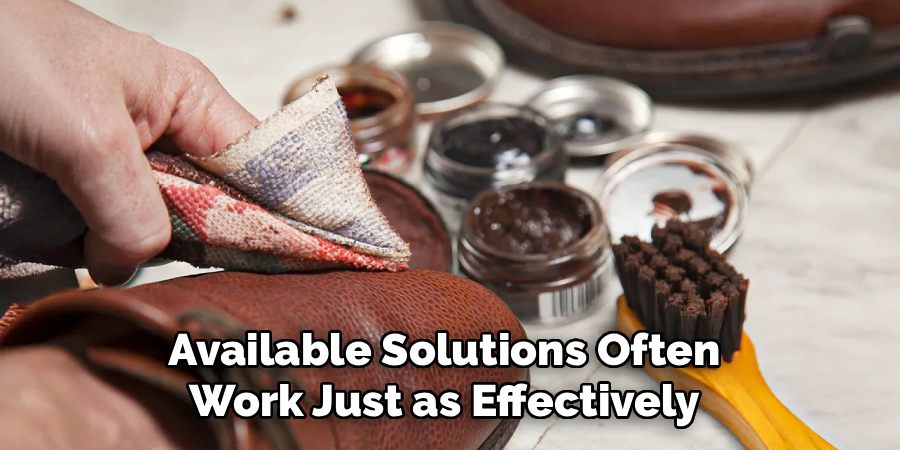
Absolutely yes! Many common household items work remarkably well. For moisture-related squeaks, try sprinkling baby powder or talcum powder generously inside the shoe to absorb trapped dampness. For friction caused by dry leather, apply a small amount of petroleum jelly, coconut oil, or olive oil using a soft dry cloth to lubricate the squeaky parts and quiet them completely. These readily available solutions often work just as effectively as expensive specialty products.
Does the tongue of leather shoes commonly cause squeaking?
Yes, the tongue represents one of the most common sources of persistent squeaking sounds. It frequently rubs against the upper part of the shoe, especially if the overall fit is slightly off or the leather is too dry. This constant friction creates noticeable noise with every step you take. Lubricating the specific area where the tongue meets the shoe body with quality leather conditioner, saddle soap, or petroleum jelly is often a simple yet effective fix that produces immediate results.
Do vegan or patent leather shoes squeak for the same reasons as genuine leather?
Yes, vegan shoes and patent leather shoes frequently squeak for identical reasons: friction and moisture accumulation. These alternative materials can be particularly stiff in brand-new pairs and may rub against themselves or your foot just like genuine leather. You can typically use the same proven methods to fix these squeaky shoes and expect very similar results. However, be cautious with oil-based treatments on certain synthetic materials, as they may react differently than genuine leather.
How long does it take to break in new leather shoes properly?
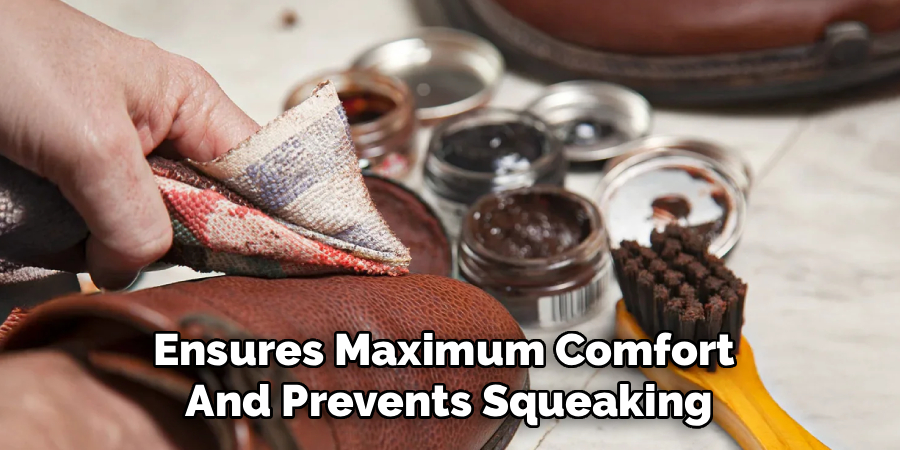
Breaking in new leather shoes properly typically takes 1-2 weeks of gradual wear. Start by wearing them for just 1-2 hours daily around your house, then gradually increase duration as the leather softens and conforms to your foot. Rushing this process by wearing stiff new shoes all day immediately often creates painful pressure points and persistent squeaking. Patient, systematic breaking-in ensures maximum comfort and prevents squeaking from developing in the first place.
Will waterproofing spray prevent leather shoes from squeaking?
Waterproofing spray primarily protects against external moisture and water damage, which can indirectly help prevent moisture-related squeaking from rain or snow. However, it doesn’t address internal moisture from foot perspiration or friction-based squeaking from dry leather. For comprehensive squeak prevention, combine waterproofing spray with proper moisture control inside the shoe and regular leather conditioning to maintain optimal suppleness. This multi-faceted approach delivers the best long-term results.
Conclusion
Mastering how to make leather shoes not squeak empowers you with the knowledge and techniques needed to eliminate this common frustration permanently. Whether dealing with brand-new shoes fresh from the store or rescuing beloved favorites from years of faithful service, you now possess comprehensive solutions for every squeaking scenario.
From simple household remedies like baby powder and coconut oil to advanced professional interventions, each method serves a specific purpose in your squeak-fighting arsenal. Remember that successful treatment begins with accurate diagnosis—identifying whether friction or moisture causes your specific problem ensures you apply the most effective solution immediately.
Don’t let embarrassing squeaking prevent you from wearing your beautiful leather shoes confidently. Take action today using these proven techniques, and enjoy the satisfaction of walking into any room with peaceful, silent steps. Your investment in quality leather footwear deserves proper care and attention. With consistent maintenance and prompt treatment of any squeaking issues, your shoes will provide years of comfortable, squeak-free service that brings joy rather than frustration!