
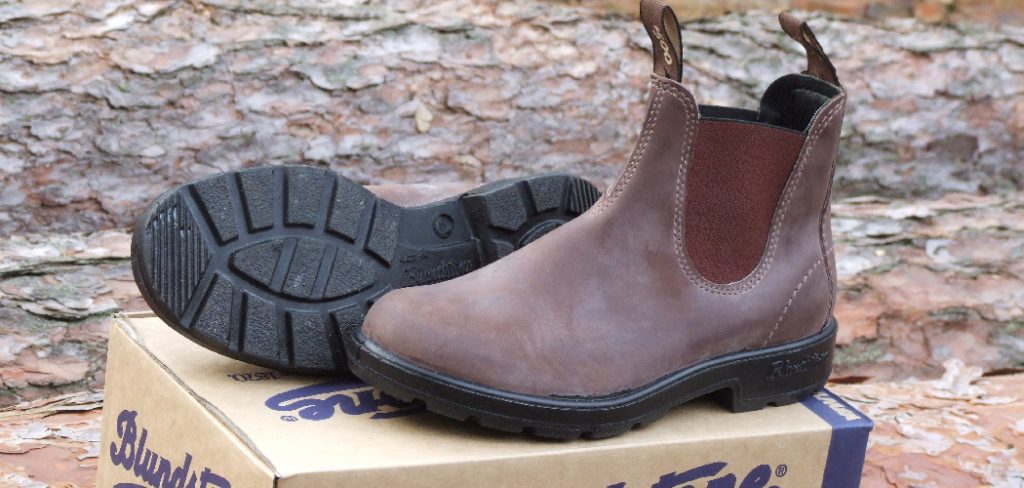
Caring for your Blundstone boots properly ensures they last for years while maintaining their iconic look and comfort. Whether you own classic leather, how to care for blundstone boots soft suede, or velvety nubuck boots, following the right maintenance routine is essential. This comprehensive guide provides eight practical steps to clean, condition, and protect your boots from daily wear and tear. Let’s explore the best ways to keep your favorite footwear in pristine condition.
Understanding Your Blundstone Boots: Material Types and Care Requirements
Before you begin any maintenance routine, it’s crucial to identify what type of boots you own. The brand offers various materials, including classic leather, suede, and nubuck, each with unique characteristics and care needs.
Differences Between Classic, Suede, and Nubuck Blundstone Boots
Classic leather features a smooth, durable finish that responds well to traditional leather care products. Suede boots have a soft, napped texture that requires gentler handling and specialized cleaning tools. Nubuck is similar to suede but is created from the outer side of the hide, giving it a finer, more velvety feel.
Understanding these material differences is essential:
| Boot Material | Key Characteristic | Primary Care Tool |
|---|---|---|
| Classic Leather | Smooth and durable finish | Polishing Cloth |
| Suede | Soft, napped texture | Suede Brush |
| Nubuck | Velvety, fine nap | Nubuck Brush/Cloth |
For classic leather, you can use a damp cloth for cleaning. However, this technique isn’t ideal for suede or nubuck, which are more sensitive to moisture. Suede requires tools like a suede brush to lift dirt, while scuffs on both suede and nubuck can often be removed with a simple gum eraser.
8 Essential Steps to Care for Your Blundstone Boots
Step 1: Remove Loose Dirt and Debris Daily
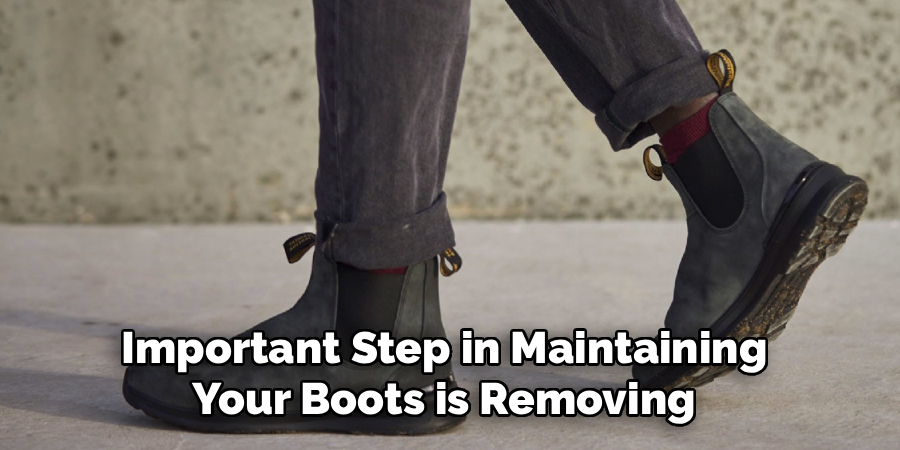
The first and most important step in maintaining your boots is removing dirt before it becomes embedded in the material. After each wear, take a moment to brush off any loose dirt, mud, or debris.
What You’ll Need:
- Soft-bristled brush for leather
- Suede brush for suede and nubuck
- Clean, dry cloth
How to Do It:
- Remove any large chunks of mud or debris from the soles by hand
- Use a soft brush to gently remove dirt from leather uppers
- For suede or nubuck, use a specialized suede brush in one direction
- Wipe the entire boot with a clean, dry cloth
- Allow boots to air dry naturally if they’re damp
Pro Tip: Never let dirt sit on your boots overnight. Fresh dirt is much easier to remove than dried, caked-on grime.
Step 2: Deep Clean the Soles and Treads
While the uppers get most of the attention, how to care for blundstone boots the soles of your Blundstone boots need regular cleaning too. Dirt trapped in the treads can affect traction and track contaminants into your home.
What You’ll Need:
- Stiff nylon brush
- Warm water
- Mild soap (optional)
- Shallow bucket or basin
How to Do It:
- Use a stiff nylon brush to scrub dirt from the tread patterns
- For stubborn, caked-on dirt, soak just the soles in warm water for 1-2 hours
- Be careful not to submerge the leather or suede uppers
- Scrub the softened dirt away with the nylon brush
- Rinse the soles with clean water and dry with a towel
Pro Tip: If you frequently walk through mud, consider doing this step weekly to prevent buildup.
Step 3: Address Scuffs and Surface Marks
Scuffs are inevitable, but they don’t have to be permanent. The method for removing scuffs depends on your boot material.
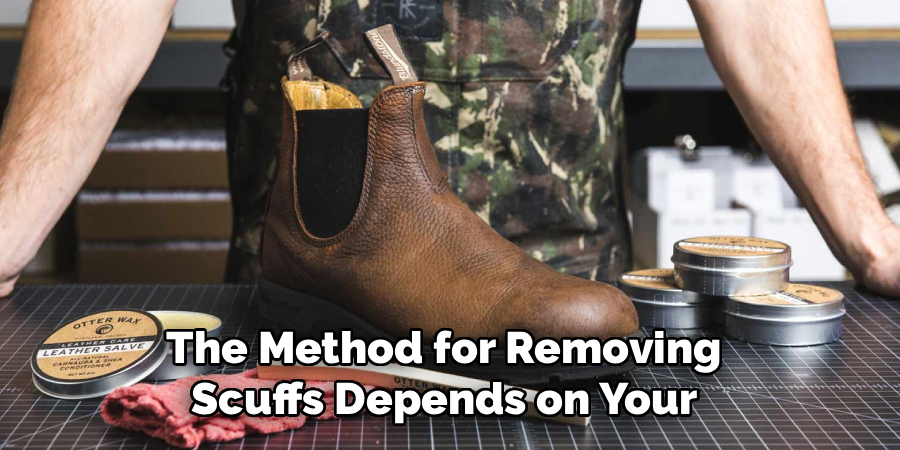
For Leather Blundstone Boots:
- Gently rub the scuff with a damp cloth
- Apply a small amount of leather cleaner if needed
- Buff with a dry cloth in circular motions
For Suede and Nubuck Boots:
- Use a gum eraser to gently rub the scuff mark
- Brush away the eraser debris with a suede brush
- For deeper marks, use a specialized suede cleaner
What You’ll Need:
- Gum eraser (for suede/nubuck)
- Leather cleaner (for leather)
- Soft cloths
- Suede brush
Pro Tip: Always test any cleaning product on an inconspicuous area first, like the inner ankle or tongue.
Step 4: Apply Leather Conditioner (For Leather Boots)
Leather is a natural material that can dry out and crack over time. Conditioning replenishes its natural oils, keeping it soft, flexible, and comfortable.
When to Condition Your Blundstone Boots:
- Every 2-3 months for regular wear
- Whenever the leather looks dry or faded
- After exposure to rain or snow
- Before long-term storage
How to Apply Conditioner:
- Ensure your boots are clean and completely dry
- Apply a small amount of leather conditioner to a soft cloth
- Rub the conditioner into the leather using circular motions
- Pay extra attention to areas that flex and bend
- Let the conditioner absorb for 15-20 minutes
- Buff away any excess with a clean cloth
What You’ll Need:
- High-quality leather conditioner
- Two soft polishing cloths
- 20-30 minutes for absorption
Pro Tip: Don’t over-condition. Too much product can make the leather too soft and reduce its structural integrity.
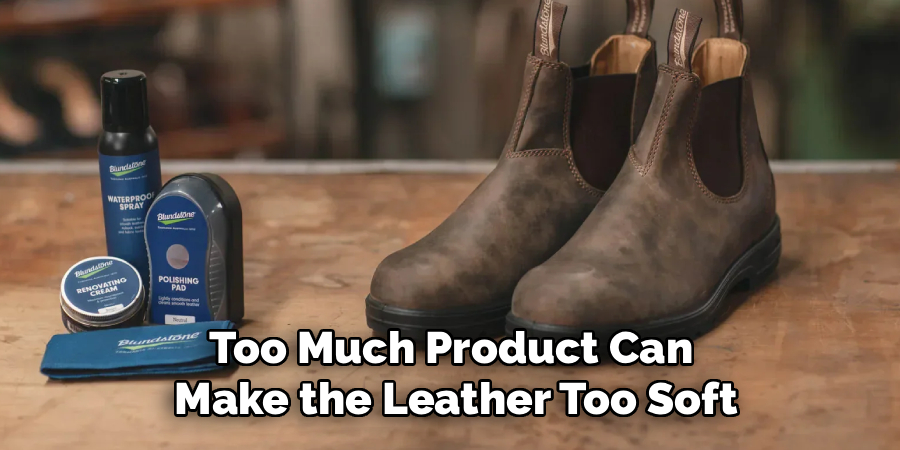
Step 5: Protect with Water and Stain Repellent Spray
Prevention is better than cure. Applying a protective spray creates a barrier against water, stains, and dirt.
For All Types of Blundstone Boots:
How to Apply Protector:
- Start with clean, dry boots
- Shake the repellent spray bottle well
- Hold the bottle 6-8 inches from the boot surface
- Apply an even coat over the entire upper
- Pay extra attention to seams and stitching
- Allow to dry for at least 30 minutes (check product instructions)
- Apply a second coat for maximum protection
Application Frequency:
- Before first wear (very important!)
- Every 4-6 weeks with regular use
- After cleaning or conditioning
- Before exposure to wet conditions
What You’ll Need:
- Water and stain repellent spray (choose one suitable for your material)
- Well-ventilated area
- 30-60 minutes drying time
Pro Tip: For suede boots, using a suede protector spray is especially crucial as suede is more susceptible to permanent water stains.
Step 6: Polish and Restore Shine (For Leather Boots Only)
If you have classic leather Blundstone boots, occasional polishing keeps them looking sharp and professional.
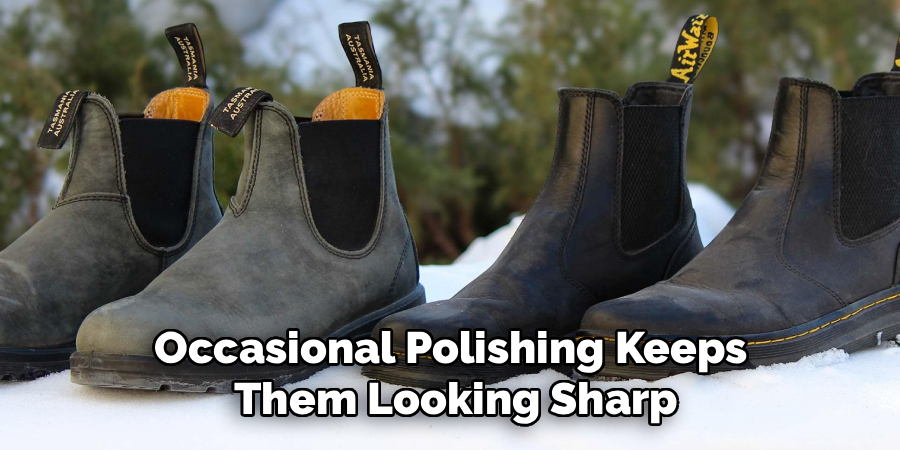
How to Polish Your Boots:
- Clean your boots thoroughly first
- Choose a leather polish that matches your boot color
- Apply a small amount to a polishing cloth
- Rub the polish into the leather using circular motions
- Cover the entire surface evenly
- Let the polish dry for 5-10 minutes
- Buff to a shine with a clean, dry cloth
When to Polish:
- When the leather looks dull or faded
- Before special occasions
- Every 2-3 months with regular wear
- After conditioning (polish goes on after conditioner)
What You’ll Need:
- Matching leather polish
- Two polishing cloths (one for application, one for buffing)
- 15-20 minutes
Pro Tip: Never polish suede or nubuck boots. These materials are meant to have a matte finish, and polish will ruin their texture.
Step 7: Dry Properly After Wet Exposure
How you dry your Blundstone boots can make or break them. Improper drying is one of the most common ways people damage their boots.
The Right Way to Dry Your Boots:
- Remove any insoles and open the boots fully
- Stuff with newspaper or paper towels to absorb moisture
- Place in a cool, well-ventilated area
- Change the paper every few hours until dry
- Allow 24-48 hours for complete drying
What NOT to Do:
- Never place near direct heat sources (radiators, heaters, fireplaces)
- Don’t put in direct sunlight
- Avoid using hair dryers or heat guns
- Don’t speed-dry artificial heat sources
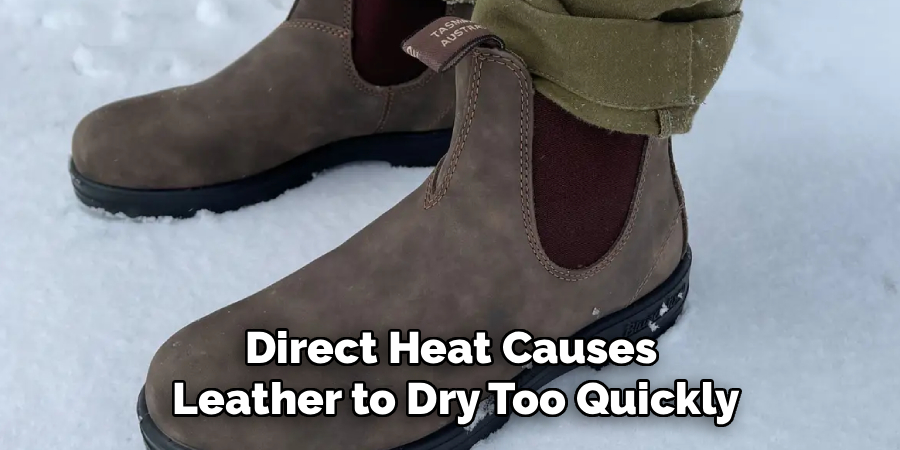
Why It Matters: Direct heat causes leather to dry too quickly, leading to cracking, shrinking, and permanent damage. The leather can become stiff and lose its natural oils.
What You’ll Need:
- Newspaper or paper towels
- Cool, dry, well-ventilated space
- Patience (24-48 hours)
Pro Tip: Cedar shoe trees are excellent for maintaining shape while drying, plus they naturally absorb moisture and odors.
Step 8: Store Correctly When Not in Use
Proper storage extends the life of your boots and keeps them ready for your next adventure.
Best Storage Practices:
Short-term Storage (seasonal):
- Clean your boots thoroughly
- Apply conditioner (for leather)
- Apply protective spray
- Stuff with newspaper or shoe trees to maintain shape
- Store in a cool, dry place away from direct sunlight
- Use breathable shoe bags or boxes (not plastic)
Long-term Storage (6+ months):
- Follow all short-term steps
- Check and re-condition every 3 months
- Ensure storage area has stable temperature and humidity
- Keep away from potential chemical exposure
Storage Location Tips:
- Avoid basements or attics with extreme temperature changes
- Keep away from radiators and heat sources
- Ensure good air circulation
- Avoid direct sunlight, which can fade colors
What You’ll Need:
- Shoe trees or newspaper
- Breathable storage bags
- Cool, dry storage space
Pro Tip: Store boots upright rather than lying down to maintain their shape and prevent creasing.
Recommended Cleaning Products and Tools for Your Blundstone Boots
Having the right tools makes boot care much easier and more effective.
Essential Tools:
- Soft-bristled brush for leather
- Suede brush for suede/nubuck materials
- Stiff nylon brush for soles
- Gum eraser for scuff marks
- Two polishing cloths
- Clean, dry towels
Essential Products:
- Leather cleaner (for leather boots)
- Suede/nubuck cleaner (for suede/nubuck boots)
- High-quality leather conditioner
- Leather polish in matching color
- Water and stain repellent spray
- Suede protector spray
Quality Matters: Always choose products specifically formulated for your boot’s material. Using the wrong product can cause discoloration, damage, or alter the texture permanently.
Preventing Common Mistakes in Blundstone Boot Care
Avoid these common errors that can damage your boots:
Mistake #1: Using Wrong Products
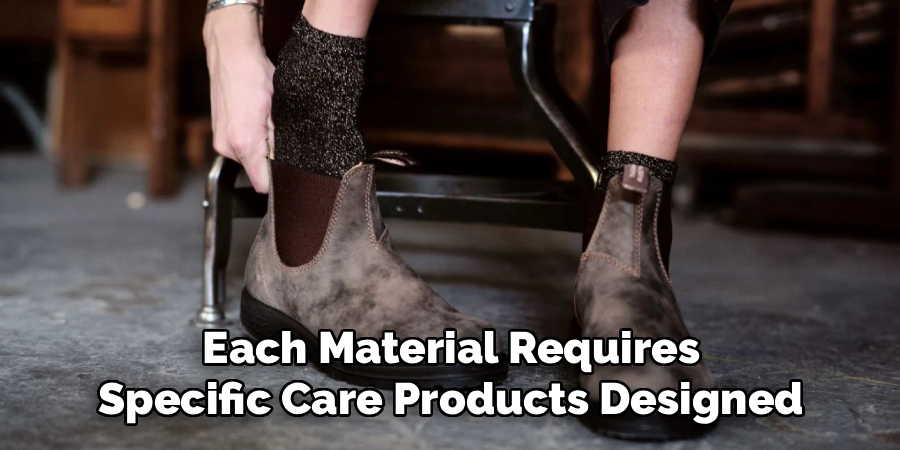
Never use leather products on suede or vice versa. Each material requires specific care products designed for its unique properties.
Mistake #2: Over-Wetting the Boots
Excessive water can cause leather to warp, suede to stain permanently, and stitching to weaken. Always use minimal moisture.
Mistake #3: Heat Drying
This is the most common and damaging mistake. Heat causes leather to crack, shrink, and become stiff. Always air dry naturally.
Mistake #4: Neglecting Regular Care
Waiting until boots look terrible before caring for them makes restoration harder. Regular maintenance prevents major problems.
Mistake #5: Skipping Protection
Not applying water and stain repellent before first wear leaves your boots vulnerable to permanent damage from the start.
Mistake #6: Chemical Exposure
Avoid contact with solvents, strong acids, gasoline, or harsh chemicals. These can cause irreparable damage to both uppers and soles.
Frequently Asked Questions
How Often Should I Clean My Blundstone Boots?
Quick cleaning after each wear (brushing off dirt) takes just a minute and prevents buildup. Deep cleaning should be done monthly or whenever boots look dirty.
Can I Waterproof My Blundstone Boots? Steps and Products
While Blundstone boots are water-resistant, you can enhance their protection. After cleaning and air drying at room temperature, apply a quality repellent spray suitable for your boot material. This helps shield against staining and makes them more suitable for wet conditions, though they won’t become fully waterproof.
Should I Polish My Blundstone Boots, and Which Polish Works Best?
Yes, polish classic leather boots every 2-3 months to restore shine and color. Choose a quality leather polish that matches your boot color. Apply with a polishing cloth in circular motions, then buff away excess. Never polish suede or nubuck.
What Are the Most Common Mistakes to Avoid?
The biggest mistakes are: (1) drying boots near heat sources or in direct sunlight, which causes cracking, (2) using wrong products for your material type, (3) exposing boots to harsh chemicals like solvents or acids, and (4) neglecting regular care until damage occurs.
How Do I Remove Salt Stains from Winter?
Mix equal parts water and white vinegar. Dampen a cloth with the solution and gently wipe the salt stains. Blot with a clean, damp cloth, then air dry. Apply conditioner once dry to restore moisture.
Can I Machine Wash Blundstone Boots?
Never machine wash your boots. The agitation, heat, and excessive water will damage the leather, weaken the stitching, and potentially compromise the sole attachment.
How Long Should Blundstone Boots Last?
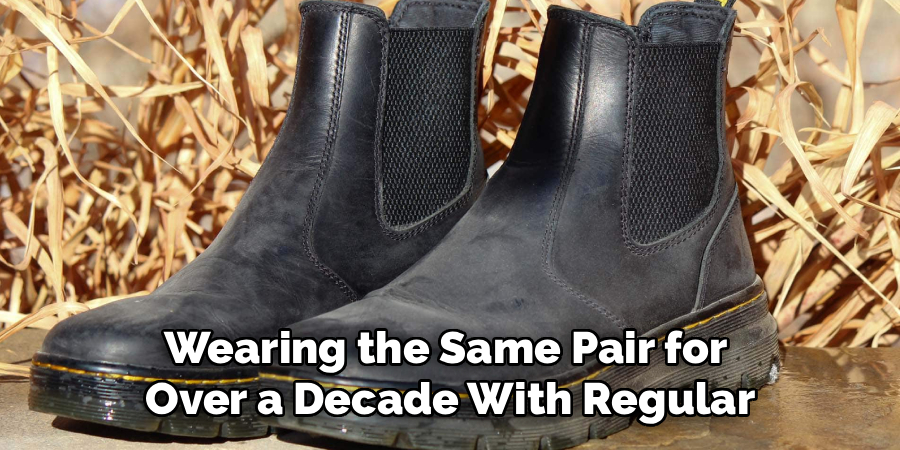
With proper care, quality Blundstone boots can easily last 5-10 years or more. Many owners report wearing the same pair for over a decade with regular maintenance.
Conclusion
Caring for your Blundstone boots doesn’t have to be complicated or time-consuming. By following these eight essential steps—from daily dirt removal to proper storage—you can keep your boots looking great and performing well for many years. Remember that the key to long-lasting boots is consistency: regular quick cleaning, periodic conditioning, and protective treatments make all the difference. Whether you own classic leather, soft suede, or velvety nubuck, investing just a few minutes in proper care will reward you with boots that age beautifully and remain comfortable through countless adventures. Start your care routine today, and your boots will thank you for years to come!