

Congratulations on your new climbing shoes! Getting a fresh pair is exciting, but they often feel tight and uncomfortable right out of the box. The process of breaking in your new climbing shoes is essential to mold them to your feet. This step is key to avoiding painful climbs and achieving optimal performance on the wall. This guide will walk you through the best methods to get your shoes fitting perfectly, how to break in climbing shoes quickly so you can focus on your ascent.

Understanding Climbing Shoes and the Break-In Process
Finding the right fit for climbing shoes is a delicate balance. You need them to be snug for precision, but not so tight that they cause pain. The break-in process is where you customize the fit of your new shoes to your unique foot shape.
As you begin to wear them, the materials will warm up and start to conform to your feet. How much your shoes stretch depends on their material and construction. We’ll explore why this process is so important and how different shoe types react.
Why Breaking In Climbing Shoes Matters
Properly breaking in your climbing shoes directly impacts your performance and enjoyment. When your shoes fit like a second skin, you gain precision and confidence on footholds. An ill-fitting shoe can slip, reducing your ability to trust your feet on small edges. This process is all about achieving that perfect, snug fit for optimal performance.
Yes, it is normal for climbing shoes to feel uncomfortable at first. They are designed to be tight. However, there’s a significant difference between a snug fit and genuine pain. The break-in period helps ease this initial discomfort by allowing the shoe material to stretch and mold around your foot’s specific contours.
Ignoring this step can lead to painful hot spots, blisters, and even long-term foot problems. By taking the time to break your shoes in, you ensure that the initial tightness transitions into a supportive, comfortable fit that enhances your climbing experience rather than hindering it with discomfort.
Common Types of Climbing Shoes and Their Fit Differences
Climbing shoes are primarily made from either leather or synthetic materials, and each type breaks in differently. Leather shoes are known for their ability to stretch significantly, sometimes up to a full size. This means you might buy them tighter, knowing they will expand over time. Unlined leather shoes will stretch more than those with a lining.
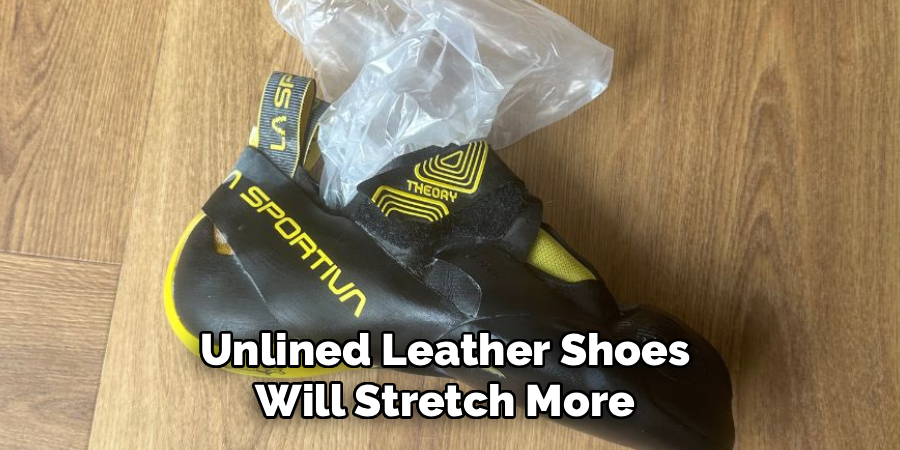
On the other hand, synthetic shoes will stretch very little, typically only about a half size at most. When buying synthetic shoes, it’s crucial to get a size that is already close to comfortable, as you won’t gain much extra room. Yes, different types of climbing shoes can benefit from different break-in methods. For instance, aggressive water-based methods work better on leather than on synthetics.
Understanding these material differences is key to selecting the right size from the start.
| Material Type | Stretch Potential | Sizing Advice |
|---|---|---|
| Leather Shoes | High (up to a full size) | Can be sized tightly to account for stretching. |
| Synthetic Shoes | Low (about a half size) | Should fit snugly but comfortably from the start. |
Essential Gear and Preparation for Breaking In New Climbing Shoes
Before you begin molding your new climbing shoes, it’s helpful to gather a few simple items. Having the right gear on hand can make the process smoother and more effective, especially for a beginner. The goal is to turn that stiff, new pair into the perfect pair for your feet.
Proper preparation also involves understanding key safety principles. You want to stretch the shoes, not injure your feet. Let’s look at what you’ll need to get started and how to approach the break-in process safely.
What You’ll Need Before Starting
The best way to break in new climbing shoes is often the simplest: just wear them. However, a few household items can help if your new pair is particularly stubborn. Having these ready will allow you to try different methods to find what works best for you and your specific shoes.
You don’t need much, but these items can be very useful:
- Your new climbing shoes
- Plastic bags or plastic wrap
- Thin socks
- A hairdryer
- Shoe stretchers (optional)
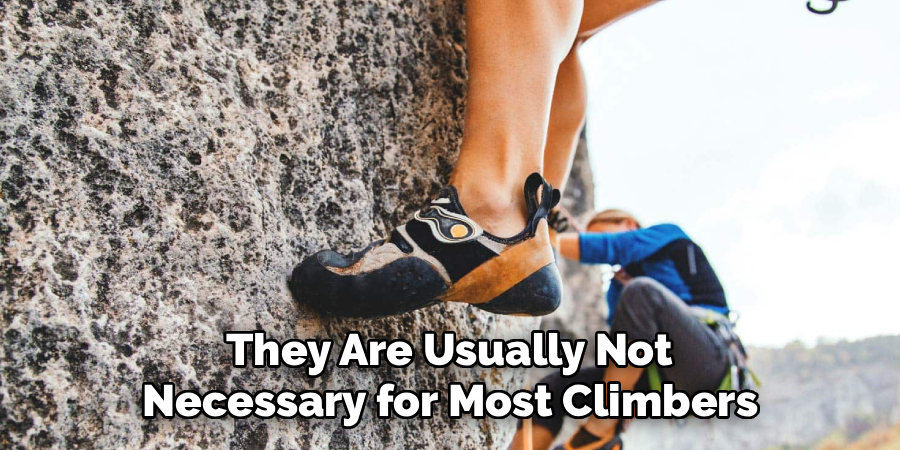
If the shoes are too tight to put on, wrapping your foot in a plastic bag can reduce friction and help it slide in. Thin socks can add a small amount of extra stretch while you wear the shoes around. More advanced tools like shoe stretchers can target specific problem areas, but they are usually not necessary for most climbers.
Key Safety Tips for Beginners
For a beginner, it’s vital to prioritize foot health during the break-in process. While climbing shoes should be snug, they should never be excruciatingly painful. Yes, there are risks in wearing climbing shoes that are too tight, as it can lead to lasting foot damage, blisters, and painful hot spots.
Listen to your body and pay attention to any sharp or persistent pain. It’s important to distinguish between the expected initial tightness and genuine discomfort that could signal a problem. Give your feet regular breaks, especially during your first few sessions with a new pair.
Follow these key safety tips to avoid injury:
- Never push through severe pain.
- Take the shoes off immediately if you feel sharp pinching or develop hot spots.
- Start with short wear sessions and gradually increase the time.
- Avoid sizing your shoes so small that you can’t uncurl your toes at all.
3 Step-by-Step Guide: How to Break in Climbing Shoes Quickly
Ready to get your climbing shoes fitting perfectly? While patience is key, there are several methods you can use to help your shoes stretch and mold to your feet. The best way usually involves a combination of gentle wear and light activity.
Yes, you can speed up the break-in process for climbing shoes using a few proven techniques. From wearing them around the house to using heat, these steps will help you achieve a comfortable fit faster. Let’s walk through the process, from the simplest method to more advanced options.
Step 1: Wear Your Climbing Shoes Around the House
The easiest and most effective way to start breaking in a new pair of climbing shoes is to simply wear them at home. Put them on while you’re sitting down, like when you’re watching TV or reading a book. Your body heat will naturally warm the shoe’s material, encouraging it to soften and conform to your foot’s shape.
Start with short intervals of about 15 minutes, then take them off for a break. As they become more comfortable, you can gradually increase the duration. This gentle method allows the shoes to stretch slowly without the intense pressure of actual climbing. It’s a great first step before you hit the gym.
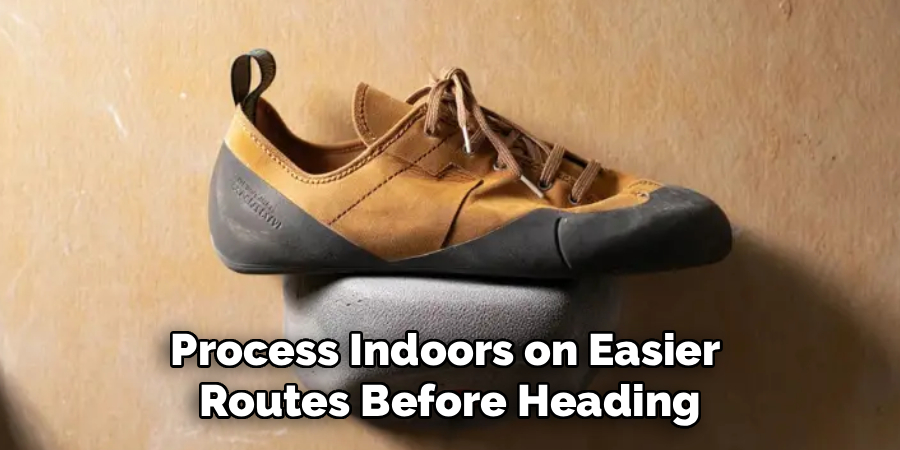
While it might be tempting, try to avoid walking around in your climbing shoes much. They aren’t designed like a normal street shoe, and walking can put unnecessary stress on their structure and wear down the rubber. You should start the climbing portion of the break-in process indoors on easier routes before heading outdoors.
Step 2: Try Climbing Easy Indoor Routes
Once you can comfortably wear your shoes at home for extended periods, it’s time to take them to the climbing gym. Start on easy indoor routes or boulder problems that don’t require aggressive footwork. This allows your feet to move and flex within the shoes under the pressure of your body weight, which is crucial for a proper fit.
For a beginner, climbing on large, positive holds is ideal. This helps the shoes mold to your feet in a climbing-specific way. Remember to take your shoes off between climbs to give your feet a rest. This is especially important during the first few sessions when the shoes are still quite stiff.
The time it takes to break in climbing shoes can vary, but typically, any major discomfort should fade within a few climbing sessions. With consistent but gentle use, your shoes should start feeling significantly more comfortable.
Step 3: Use Heat, Water, or Socks to Aid the Break-In
If your shoes are still uncomfortably tight, you can try more active methods to help the shoes stretch. These techniques can be particularly effective but should be used with caution. For example, using a hairdryer to gently warm your shoes while you wear them can make the material more pliable. Just be careful not to overheat the glue.
Another classic method, especially for leather shoes, is the hot shower technique. Wear your shoes in a hot shower for a few minutes, flexing your feet the entire time. Afterward, keep them on for a while as they start to dry, or stuff them with newspaper to hold their shape. Be aware that this can cause the dye to bleed.
Yes, wearing thin socks or a plastic bag can help. They add a thin layer to help stretch the shoe and can make it easier to slip a very tight shoe on.
- Heat: Use a hairdryer on warm (not hot) to heat the shoes while wearing them.
- Hot Shower: Wear leather shoes in a hot shower, then wear them as they partially dry.
- Freezer: Fill a sealed plastic bag with water, place it inside your shoe, and put it in the freezer. As the water freezes and expands, it will stretch the shoe.
Troubleshooting and Common Mistakes to Avoid
Even with the best methods, you might run into issues like persistent discomfort or sizing problems. It’s important for every climber, especially a beginner, to recognize when a shoe just isn’t the right fit. Pushing through severe pain is one of the biggest mistakes you can make.
Knowing how to troubleshoot these problems can save your feet and your wallet. Let’s cover how to address common issues and identify when it’s time to accept that you may have the wrong size.

Addressing Discomfort, Sizing Issues, and When to Stop
One of the most common mistakes to avoid when breaking in climbing shoes is ignoring signs of a poor fit. If you experience sharp pain, numbness, or severe hot spots that don’t go away, the shoes are likely too small. This level of discomfort is different from the initial snugness. Cramming your feet into shoes that are too tight can cause lasting damage.
Remember that synthetic shoes won’t stretch much, so if they are painful out of the box, they will likely stay that way. Leather shoes may stretch up to a full size, but even they have their limits. If you’re struggling, it might be a sizing issue rather than a break-in problem.
So, how will you know when your climbing shoes are properly broken in? You’ll know the process is complete when:
- You can wear them for an entire climbing session without significant pain.
- The material has molded to your foot, eliminating hot spots.
- The initial intense discomfort has subsided into a snug, secure feeling.
- You can flex and move your toes slightly without wincing.
Frequently Asked Questions
What is the best way to break in new climbing shoes?
To break in new climbing shoes effectively, wear them around the house for short periods, gradually increasing wear time. Next, try climbing easy indoor routes to allow the shoes to conform to your feet. Finally, consider using heat or moisture for a faster break-in process.
How long does it usually take to break in climbing shoes?
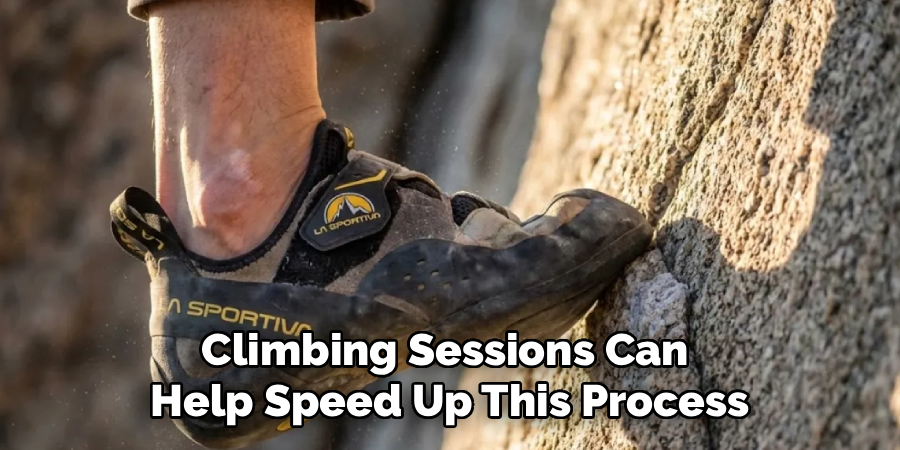
Breaking in climbing shoes typically takes anywhere from a few days to a couple of weeks, depending on the shoe material and fit. Consistent wear during climbing sessions can help speed up this process, ensuring optimal comfort and performance while on the rock.
Can I speed up the break-in process for climbing shoes?
Yes, you can speed up the break-in process by wearing your climbing shoes around the house, trying easy indoor routes, or using heat and moisture. Just be cautious to avoid discomfort or sizing issues that could affect performance and safety.
Are there any risks in wearing climbing shoes that are too tight during break-in?
Wearing climbing shoes that are too tight can lead to blisters, pinched nerves, and restricted circulation. This discomfort may hinder your climbing performance and even cause injuries if worn for prolonged periods. Always prioritize fit over tightness to ensure safety during the break-in process.
Should I climb indoors or outdoors when breaking in new climbing shoes?
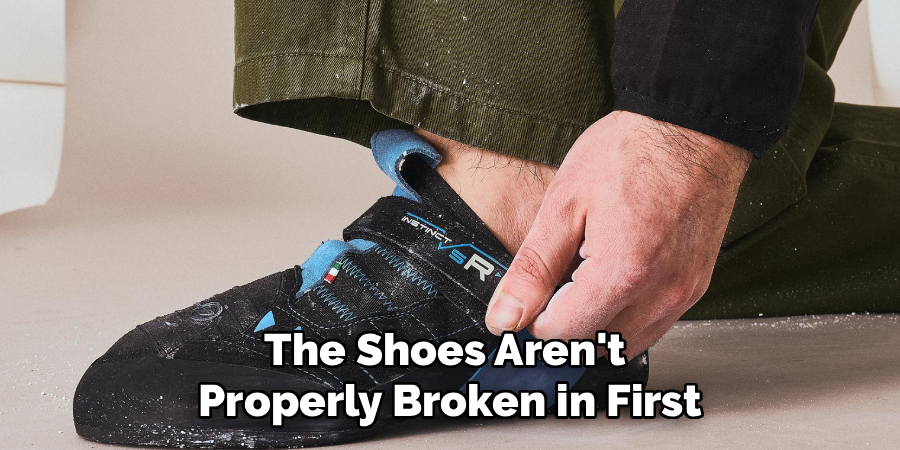
When breaking in new climbing shoes, indoor climbing is generally recommended. It provides a controlled environment to gradually adjust to the shoes’ fit and feel. Outdoor climbs can be more demanding, potentially leading to discomfort or injuries if the shoes aren’t properly broken in first.
Conclusion
In conclusion, breaking in your climbing shoes effectively can make all the difference in your comfort and performance on the rock. By understanding the break-in process and following the right steps, you can ensure a snug fit that enhances your climbing experience. Remember to be patient and attentive to any discomfort, adjusting your approach as necessary. Your climbing journey should be enjoyable, so take the time to properly care for your gear. If you need personalized advice or strategies, don’t hesitate to reach out—your perfect fit is just around the corner!