

Your favorite leather footwear inevitably faces scuffs and dirt from daily wear. Whether it’s an unexpected puddle or a simple misstep, how to clean soft leather shoes keeping them clean seems like a constant battle. But what if shoe care was easier than you thought? A little regular cleaning can go a long way in preserving the look and feel of your soft leather shoes. This guide will walk you through simple, effective steps to restore your shoes, making them look almost new again.
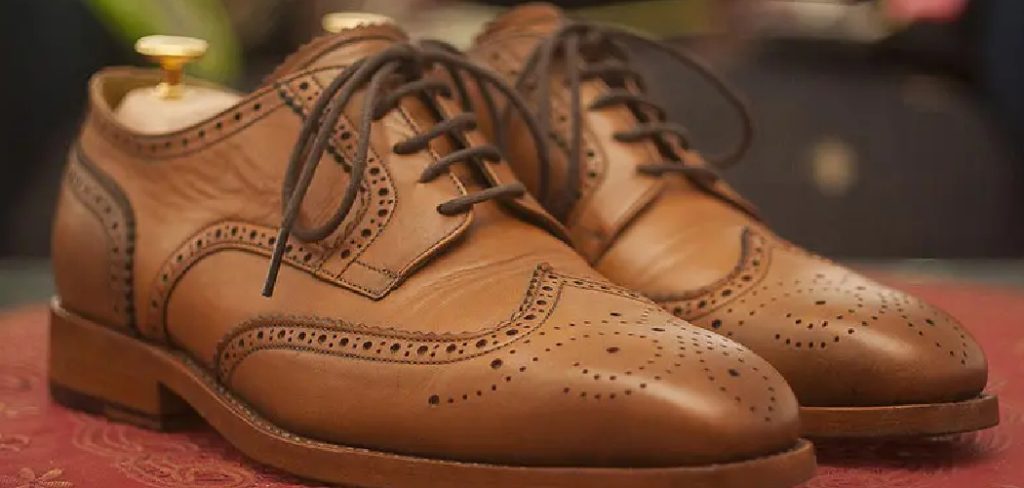
Understanding Soft Leather Shoes and Their Care Needs
Soft leather is a delicate material that requires a specific approach to cleaning. Unlike tougher leathers, it can be more susceptible to scratching and staining. Proper shoe care is essential to protect your investment and extend the life of your leather footwear. The best way to clean soft leather shoes is by using gentle methods that preserve the leather’s natural oils.
Your goal is to clean without causing dryness or damage. Harsh chemicals or aggressive scrubbing can strip the leather, leading to cracks and discoloration. By understanding the unique needs of a soft leather shoe, you can ensure it remains supple and beautiful for a long time. Next, we will cover what makes this material different and the common challenges you might face.
What Makes Soft Leather Different From Other Types of Leather
The main distinction of soft leather is its delicate and porous nature. Think of it like skin; it needs to breathe and retain moisture to stay flexible. This makes it more prone to absorbing liquids and losing its natural oils compared to more rugged types of leather. As a result, you must use a gentle leather cleaner specifically designed for this type of material.
Because of its texture, soft leather can show scuff marks and stains more prominently. A standard leather shoe cleaner might be too abrasive, so it’s important to choose your products wisely. The key is to nourish the leather as you clean it, replenishing the leather’s natural oils that keep it from drying out and cracking.
While this guide focuses on smooth soft leather, other types like suede or nubuck require special care. These materials have a napped texture and cannot be cleaned with water or cream-based cleaners. They need specific brushes and erasers to maintain their unique finish, so always check the care instructions for those types of shoes.
Common Challenges When Cleaning Soft Leather Shoes
Cleaning soft leather comes with a unique set of challenges that require a careful approach. One of the biggest mistakes is using too much liquid, as excess moisture can lead to permanent water stains or cause the leather to stiffen as it dries. You have to find the right balance between cleaning effectively and protecting the material.
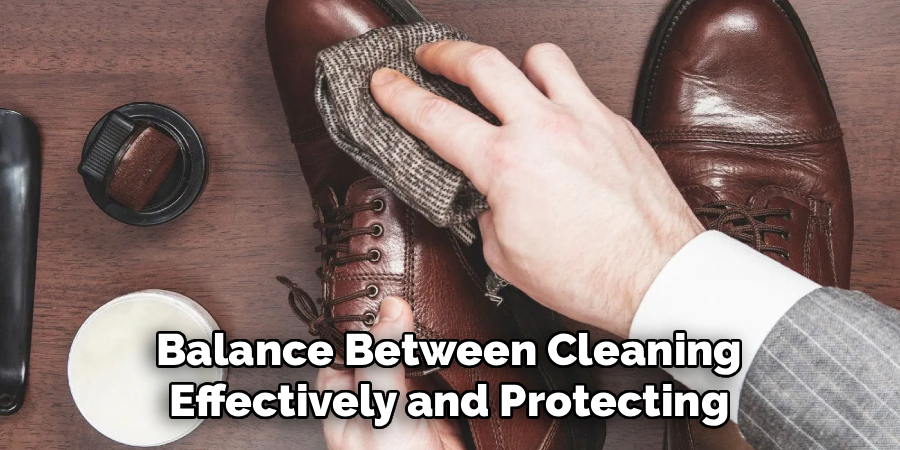
Another significant risk is damage from heat. Never use direct heat, like a hairdryer or furnace, to speed up the drying process. This can dry out the leather too quickly, causing it to become brittle and crack. A stubborn grease stain can also be tricky, as it can soak deep into the material if not treated correctly and promptly.
To avoid these issues, be mindful of the following:
- Water stains from using too much liquid.
- Cracking or damage caused by direct heat.
- Setting a grease stain by using the wrong removal method.
Essential Supplies and Products for Cleaning Soft Leather Shoes
Before you begin, gathering the right supplies will set you up for success. Having everything on hand makes the process smooth and ensures you don’t have to scramble for a tool mid-clean. You’ll need a soft cloth for applying products, a high-quality leather cleaner, and a clean brush for removing dirt.
In addition, items like shoe trees are invaluable for helping your shoes maintain their shape during cleaning and drying. With the right products and tools, you can confidently clean your shoes without risking damage. Let’s look closer at the specific cleaning agents and tools you should have in your kit.
Safe Cleaning Agents to Use on Soft Leather
Choosing a safe cleaning agent is the most critical step in caring for soft leather. While a dedicated leather shoe cleaner is always the best option, some household items can work in a pinch for specific issues. For a deep clean to remove built-up wax and dirt, saddle soap is an effective choice, how to clean soft leather shoes but it should be used sparingly, perhaps once a year.
For targeted stain removal, you have a few options. A mixture of equal parts white vinegar and water can help lift salt stains, while baking soda or baby powder is excellent for absorbing a grease stain. After cleaning, a cream polish can restore color and cover scuffs.
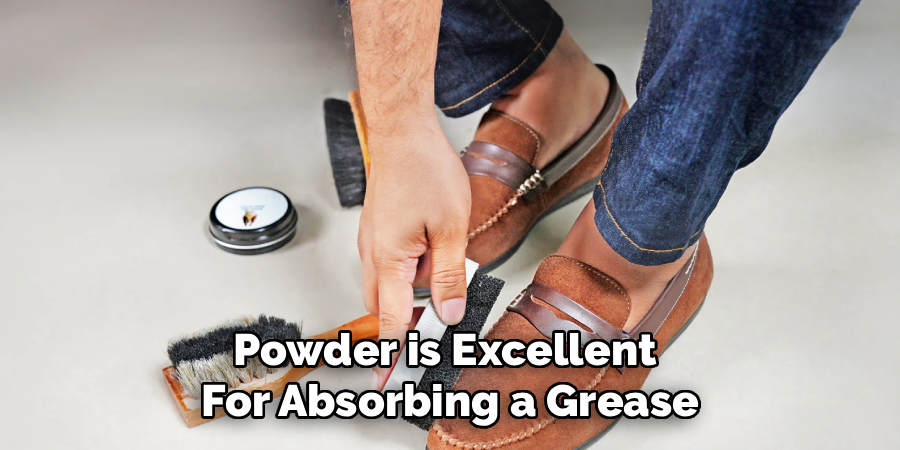
Always test a new product on a small, inconspicuous area first. Here’s a quick reference for safe cleaning agents:
| Cleaning Agent | Best Use |
|---|---|
| Leather Cleaner | General cleaning and dirt removal |
| Saddle Soap | Deep cleaning for heavily soiled shoes |
| White Vinegar & Water | Removing salt stains |
| Baking Soda/Baby Powder | Absorbing oil and grease stains |
Tools and Materials You’ll Need for the Cleaning Process
Having the right tools is just as important as using the right cleaners. Gentle tools will prevent you from scratching or damaging the delicate surface of your shoes. A high-quality horsehair brush is a must-have; it’s stiff enough to remove dirt but soft enough not to harm the leather. A soft cloth, like a microfiber cloth or cotton chamois, is essential for applying cleaners and conditioners.
While household items like a damp rag can be used, dedicated shoe care tools often provide better results. For instance, a proper shoe brush is shaped to get into creases and along the sole, where dirt often accumulates. You can use old t-shirts as a soft cloth, but a cotton chamois is especially good for buffing and polishing.
Here are the key tools to have ready:
- A shoe brush or horsehair brush for dirt removal.
- A microfiber cloth for wiping away soap and suds.
- A soft cloth or cotton chamois for applying products.
- Shoe trees to help shoes keep their shape.
- A small bowl for water or cleaning solutions.
Preparing Your Soft Leather Shoes for Cleaning
Proper preparation makes the cleaning process more effective and prevents dirt from being rubbed into the leather. Before you apply any cleaner, you need to create a clean slate. This starts with finding a good workspace and getting your shoes ready for treatment.
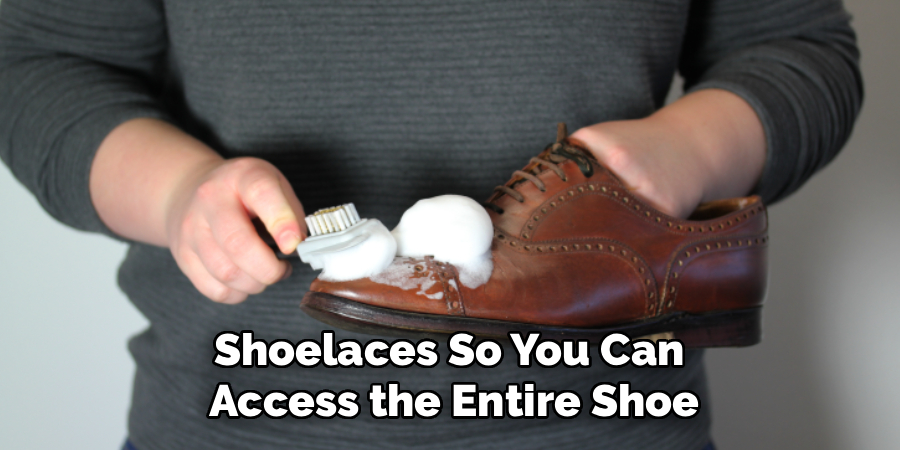
First, remove the shoelaces so you can access the entire shoe, including the tongue. Then, insert shoe trees to hold the shoe’s shape and make it easier to work on. The first cleaning step is to remove dirt and dust, which we will explore next, along with other important precautions.
Important Precautions Before Getting Started
Taking a few precautions before you start cleaning will protect your shoes from accidental damage. The most important rule is to test any new cleaner on a small, hidden spot first. This best practice ensures the product won’t cause discoloration or harm the leather’s finish. Also, remember that soft leather is sensitive to its environment.
Work in a well-ventilated area, especially if you are using commercial cleaners or polishes. A key precaution is to always avoid direct heat sources for drying. Excess heat can shrink and crack the leather, causing irreversible damage. Patience is key; always let your shoes air dry naturally.
Here’s a quick checklist of precautions:
- Test all products on an inconspicuous area first.
- Always use shoe trees to maintain the shoe’s structure.
- Never use direct heat or allow excess heat for drying.
- Have a clean, dry cloth ready to wipe away excess products.
- Work gently and avoid aggressive scrubbing.
How to Remove Loose Dirt and Dust Safely
The first active step in cleaning your shoes is to remove all loose dirt and dust from the surface. Skipping this step means you risk grinding these abrasive particles into the leather when you apply your cleaner, which can cause tiny scratches. The best tool for this job is a soft brush, such as a horsehair shoe brush.
Using your clean brush, make quick, short strokes across the entire surface of the shoe. Pay special attention to the seams and the area where the upper meets the sole, as this is where dust and debris tend to collect. The goal is to gently sweep away the grime without pushing it deeper into the leather.
If you don’t have a dedicated shoe brush, a clean microfiber cloth can also work. Just be sure whatever you use is dry and free of any leftover chemicals or debris. This simple but crucial step prepares the leather for a deeper, more effective clean.
3 Step-by-Step Guide to Cleaning Soft Leather Shoes
Now that your shoes are prepped, you can move on to the cleaning process. Don’t worry, it’s easier than it sounds! Following a few simple steps will ensure your shoes get a thorough clean without any damage. The key is to be gentle and consistent with your technique.
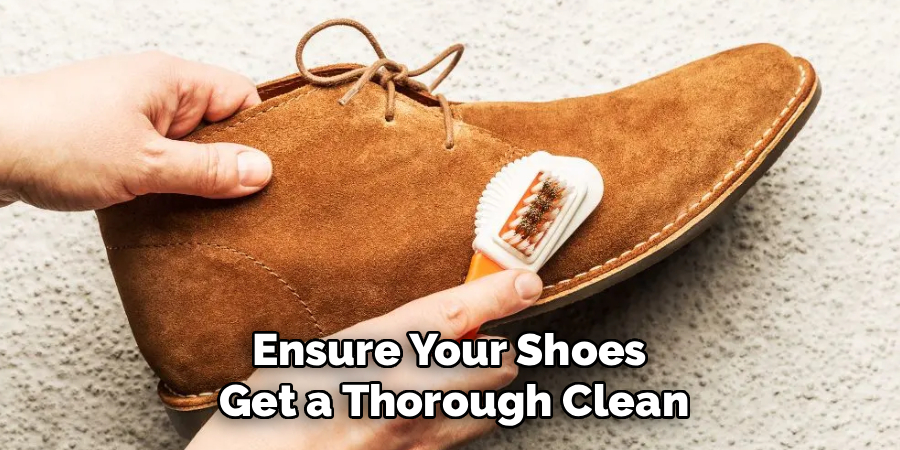
The core of the process involves applying a cleaner, targeting stains, and then drying and conditioning the leather. Using small circular motions to gently wipe the surface will lift dirt effectively. This regular cleaning routine will keep your soft leather shoes looking fantastic. Let’s break down each step.
Step 1: Apply the Right Cleaner and Gently Wipe
With your shoes free of loose dirt, it’s time to apply a cleaner. The best choice is a high-quality leather cleaner formulated for delicate materials. Apply a small amount of the cleaner onto a soft cloth or a damp cloth. Avoid applying the cleaner directly to the shoe, as this can lead to uneven saturation and potential stains.
Using the cloth, gently rub the cleaner into the leather using small, circular motions. This technique helps lift dirt from the pores without being too abrasive. Work in small sections, making sure to cover the entire shoe evenly. You should see a light lather form as you work.
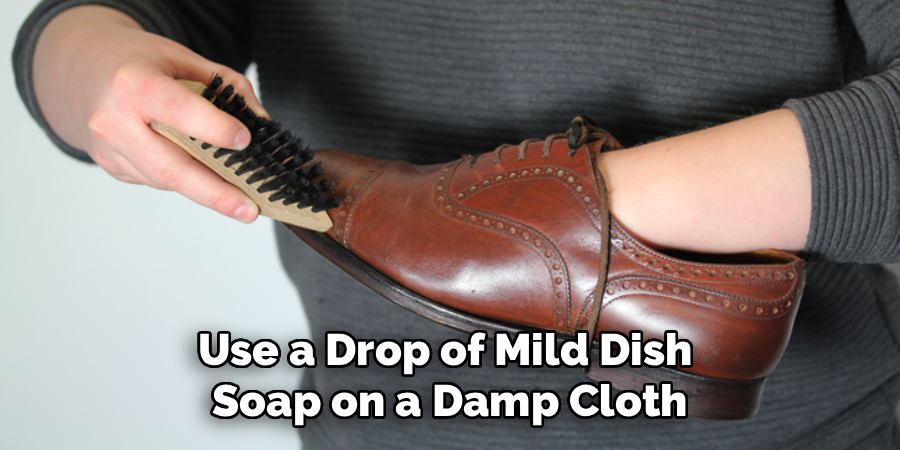
Once you’ve cleaned the entire shoe, use a separate clean damp cloth to wipe away any excess soap and suds. Don’t rinse the shoe under water. While you can use a drop of mild dish soap on a damp cloth if you’re in a bind, a dedicated leather cleaner is always the safer and more effective option.
Step 2: Treating Stains Without Damaging the Leather
Stains happen, but they don’t have to be permanent. For a fresh grease stain, act quickly by sprinkling an absorbent powder like baking soda or baby powder directly onto the spot. Let it sit for two to three hours to draw the oil out of the leather, then gently brush the powder away with a soft brush.
For salt stains, which are common in winter, a different approach is needed. Mix equal parts distilled white vinegar and water. Lightly dampen a clean cloth with the solution and gently rub the stained area in small circles until the salt lifts. Afterward, wipe the area with a clean, water-dampened cloth to remove any vinegar residue.
Minor scuff marks can often be buffed out with a clean, dry cloth. For more persistent scuffs, a pigmented cream polish applied after cleaning can help restore the color and conceal the mark. Always be gentle when treating stains to avoid damaging the leather.
Step 3: Drying and Conditioning Soft Leather Shoes
After cleaning, your shoes will be slightly damp. Properly drying them is crucial. First, wipe away any excess moisture with a dry cloth. Make sure your shoe trees are inserted, as they will help the shoes retain their shape and absorb moisture from the inside. Allow them to air dry completely at room temperature, away from sunlight and direct heat. This can take anywhere from a few hours to a full day.
Once your shoes are completely dry, you absolutely should condition them. Cleaning can strip away the leather’s natural oils, and a leather conditioner replenishes them, preventing cracks and keeping the material supple. Apply a pea-sized amount of conditioner to a soft cloth and work it into the entire shoe, including the back of the shoe, using small circular motions.
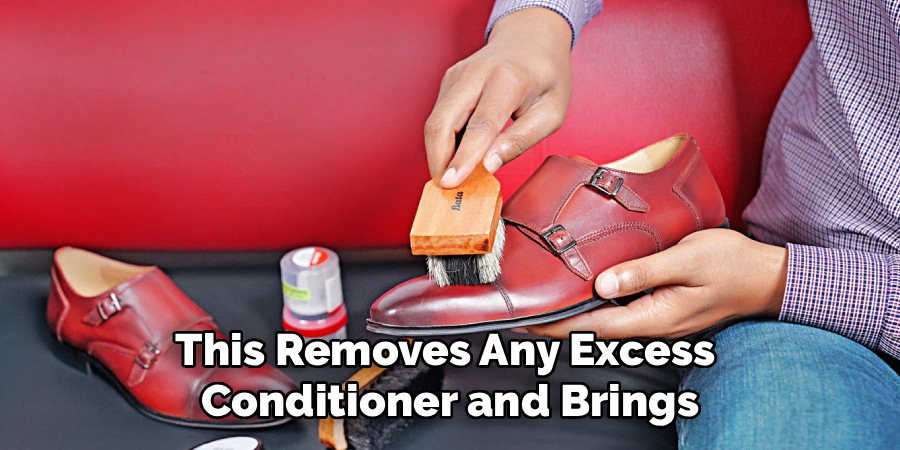
Let the conditioner rest for about 5 to 10 minutes to allow it to soak into the pores. After the conditioner rest, take a clean horsehair brush and use quick, brisk strokes to buff the shoes. This removes any excess conditioner and brings out a natural shine.
Frequently Asked Questions
Can I clean soft leather shoes with household items?
Yes, you can use some household items for specific problems. Baking soda can absorb grease, and a mix of white vinegar and water can remove salt stains. For general cleaning, a damp cloth is useful. However, a dedicated leather cleaner applied with a clean cloth is always the safest and most effective choice.
How often should I clean my soft leather shoes?
For ideal shoe care, perform regular cleaning by brushing off dirt after each wear. A more thorough clean with conditioner and polish is recommended monthly or after every five wears. These simple steps prevent dirt buildup and keep the leather nourished without exposing it to excess moisture too often.
What’s the safest way to remove stains from soft leather?
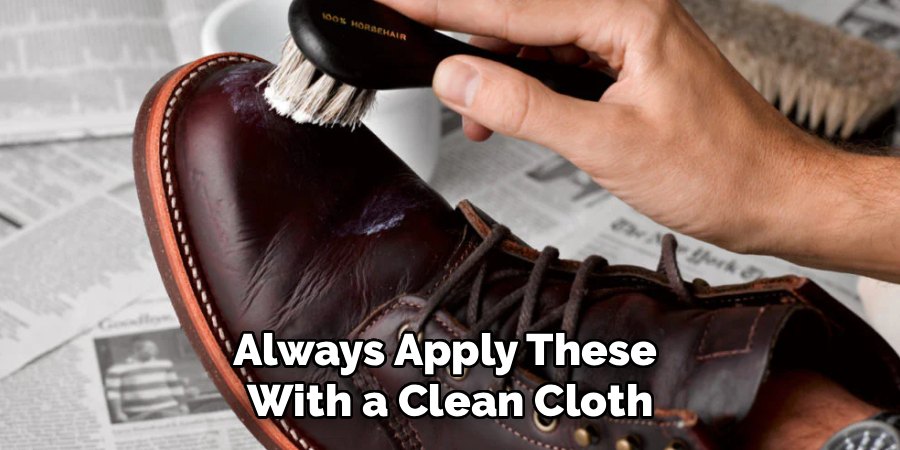
The safest method depends on the stain. For a grease stain, apply baby powder or baking soda to absorb the oil. For salt stains, use a diluted white vinegar solution. Always apply these with a clean cloth, use gentle pressure, and test on a small spot first.
Should I use a leather conditioner after cleaning?
Yes, always. Cleaning can strip the leather of its natural oils, making it dry and prone to cracking. Applying a leather conditioner replenishes these oils, keeping the material supple and healthy. Let the conditioner rest before buffing off any excess. This step is vital for regular maintenance.
Conclusion
Cleaning your soft leather shoes doesn’t have to be a daunting task. By following the step-by-step guide outlined in this blog, you can ensure that your cherished footwear remains in excellent condition, extending its lifespan and preserving its appearance. Remember, using the right supplies and techniques is key to maintaining the integrity of the leather. With the proper care, your soft leather shoes will continue to look stylish and feel comfortable for years to come. If you’re ready to give your shoes the attention they deserve or need personalized tips, don’t hesitate to reach out and get your free consultation today!